
Last updated September 20, 2026
Full 25-point door and opener safety check with every visit - springs, cables, rollers, tracks, and your LiftMaster or Chamberlain opener included
You get a price before we start. It does not change when the truck arrives.
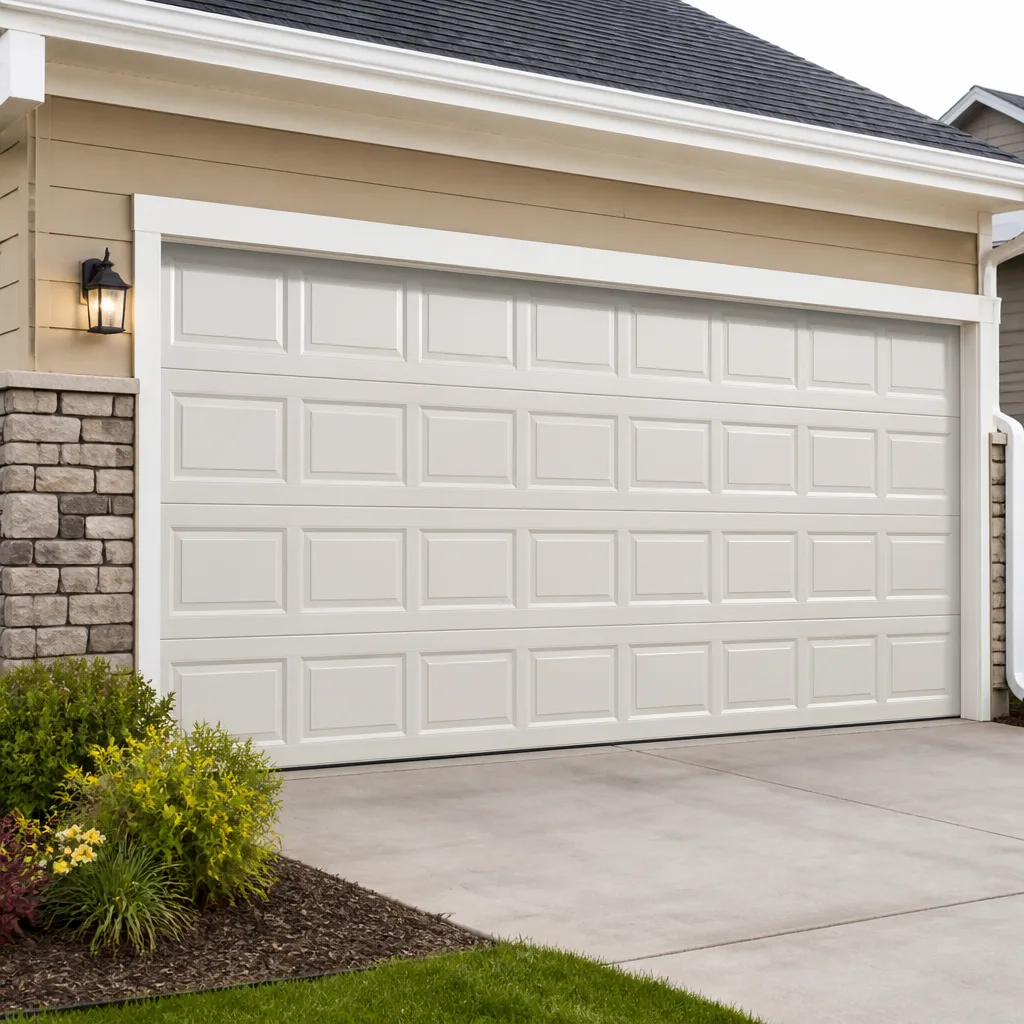
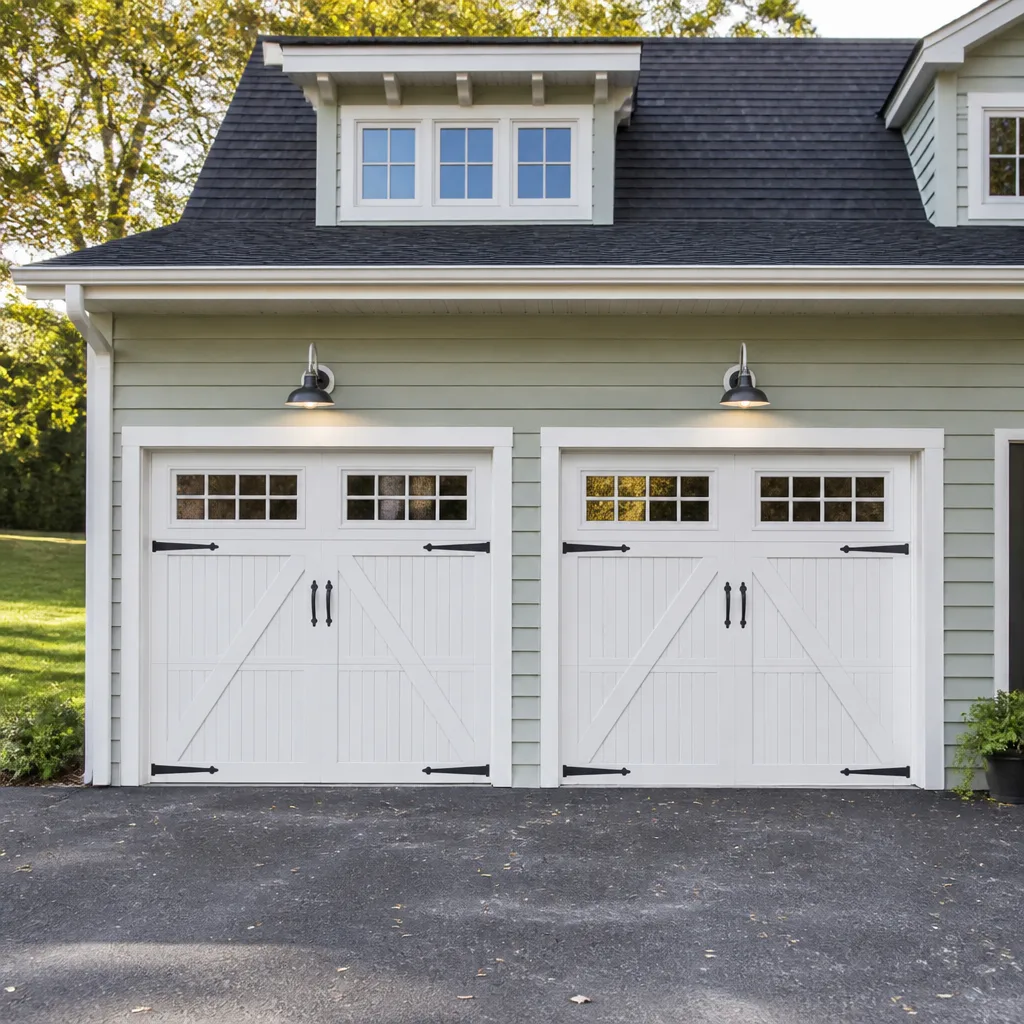
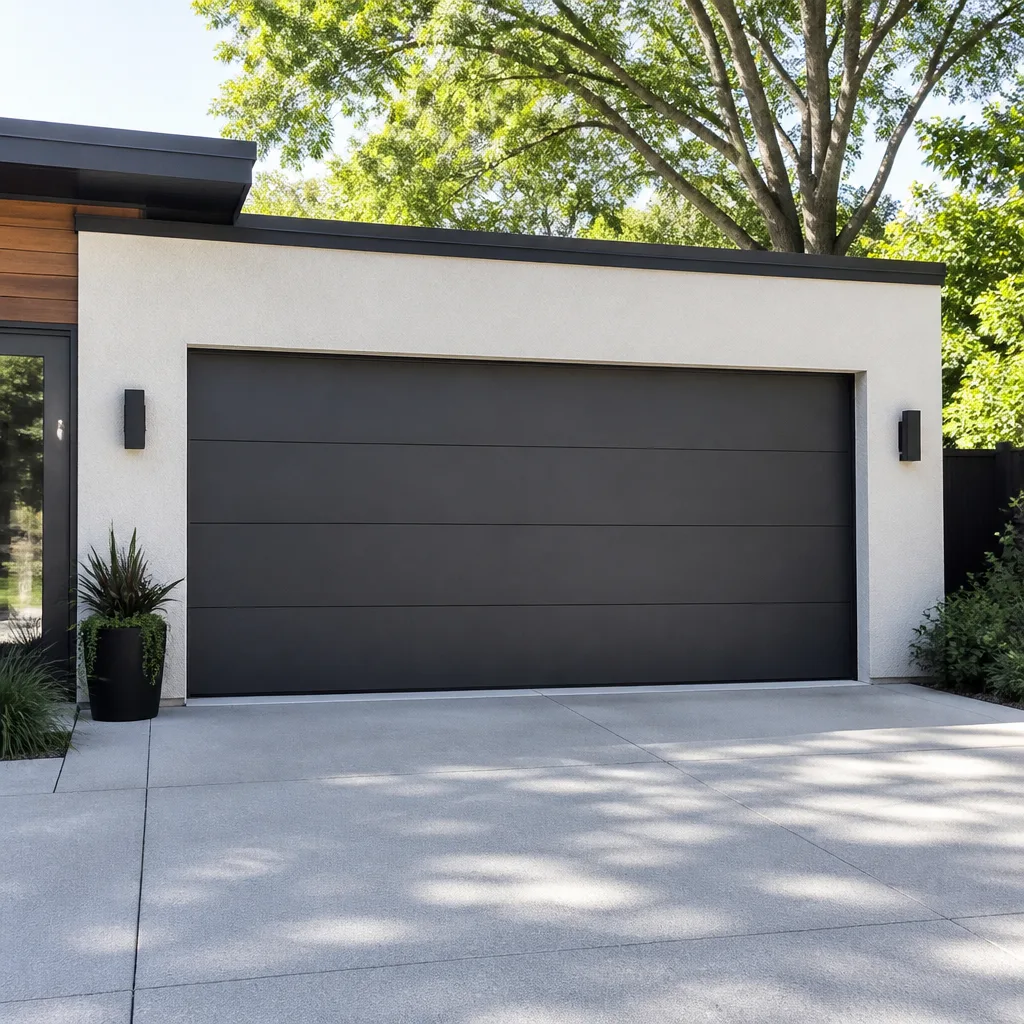
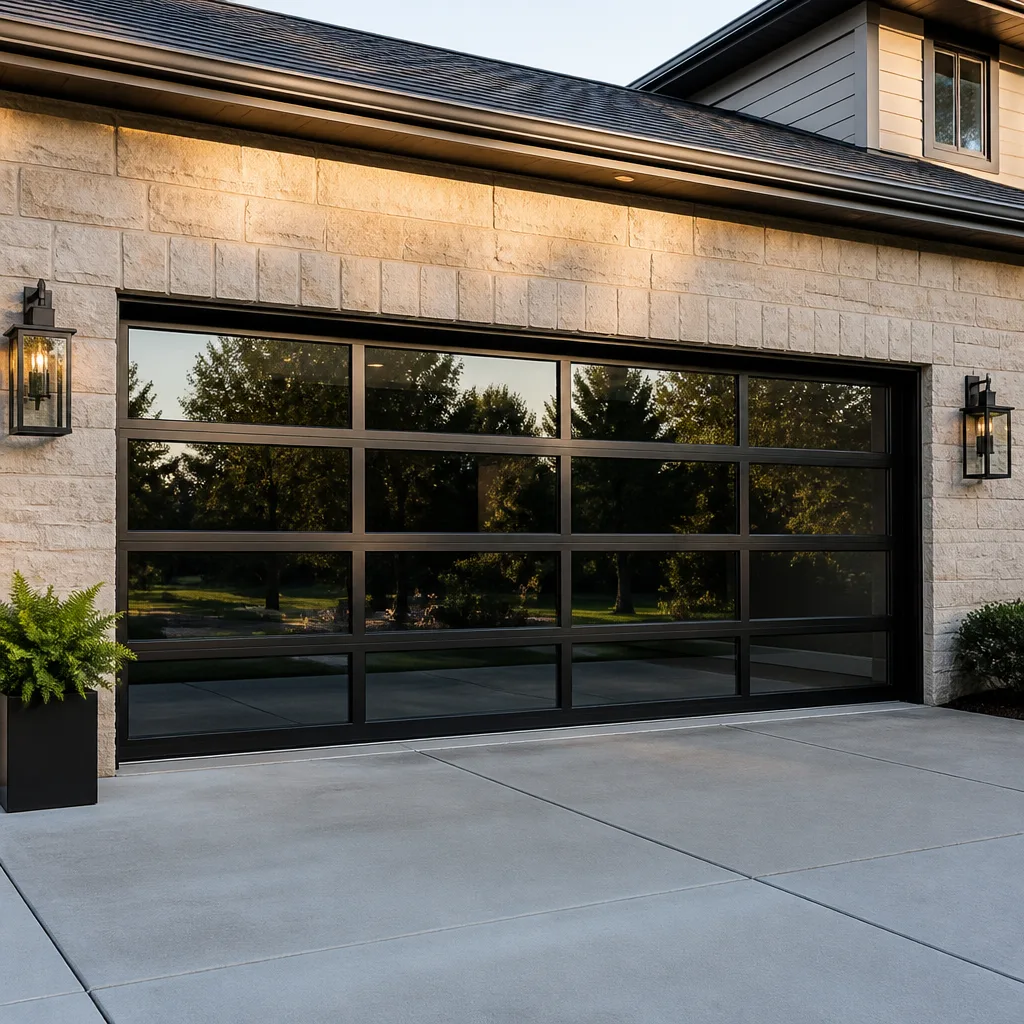
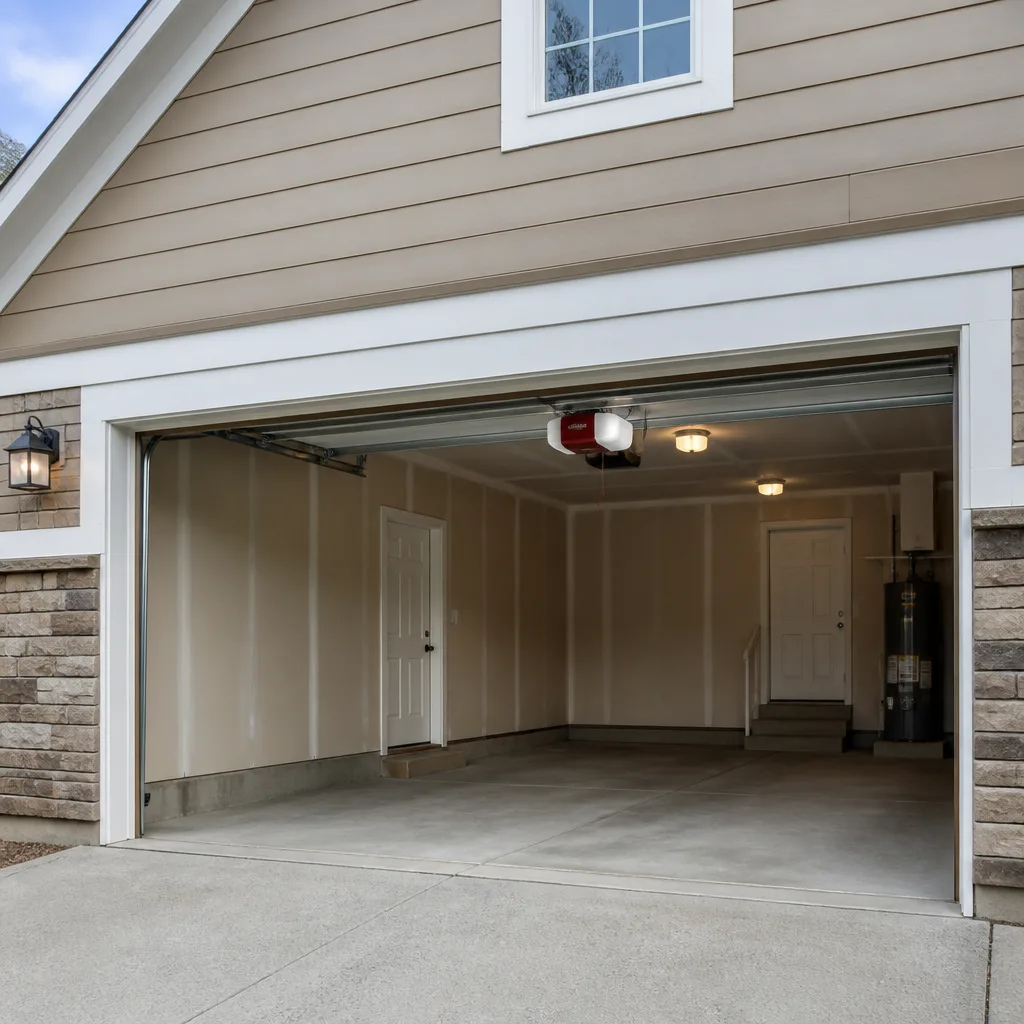
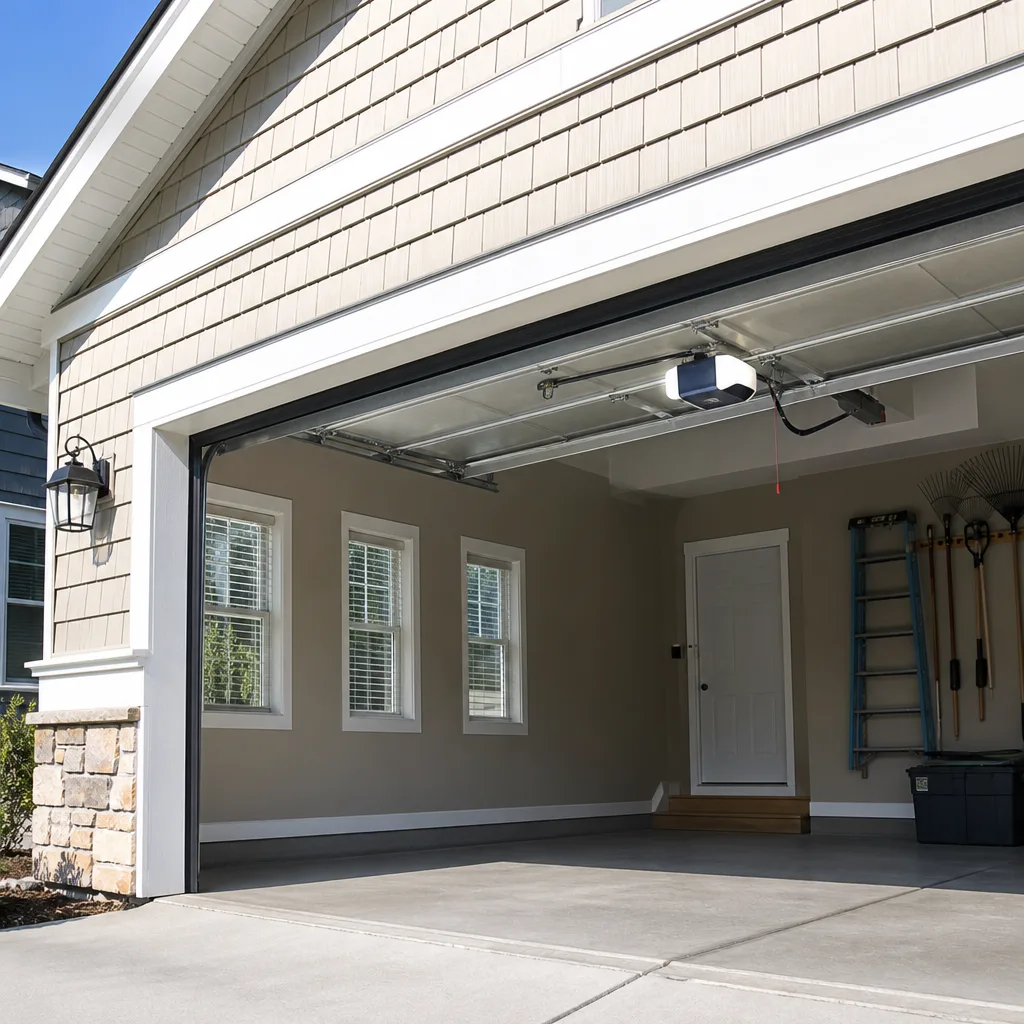
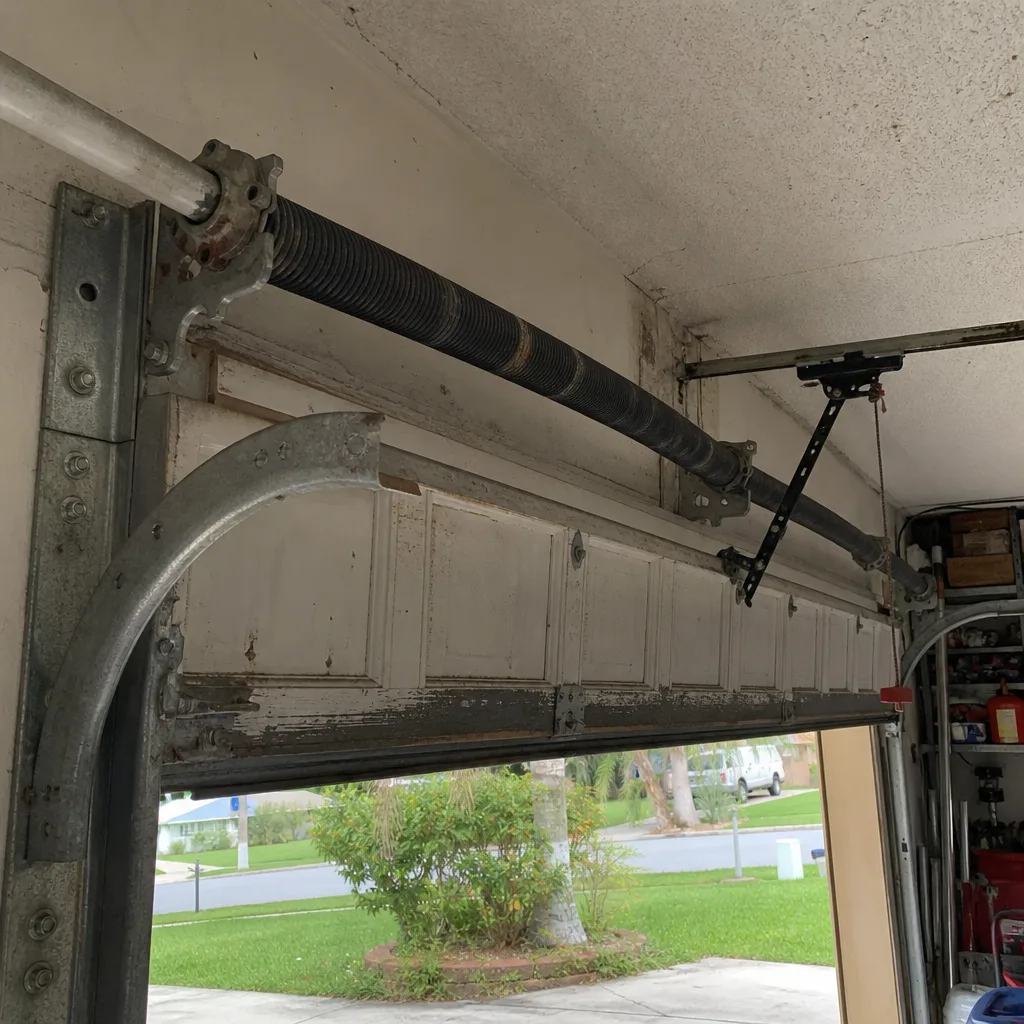 Before
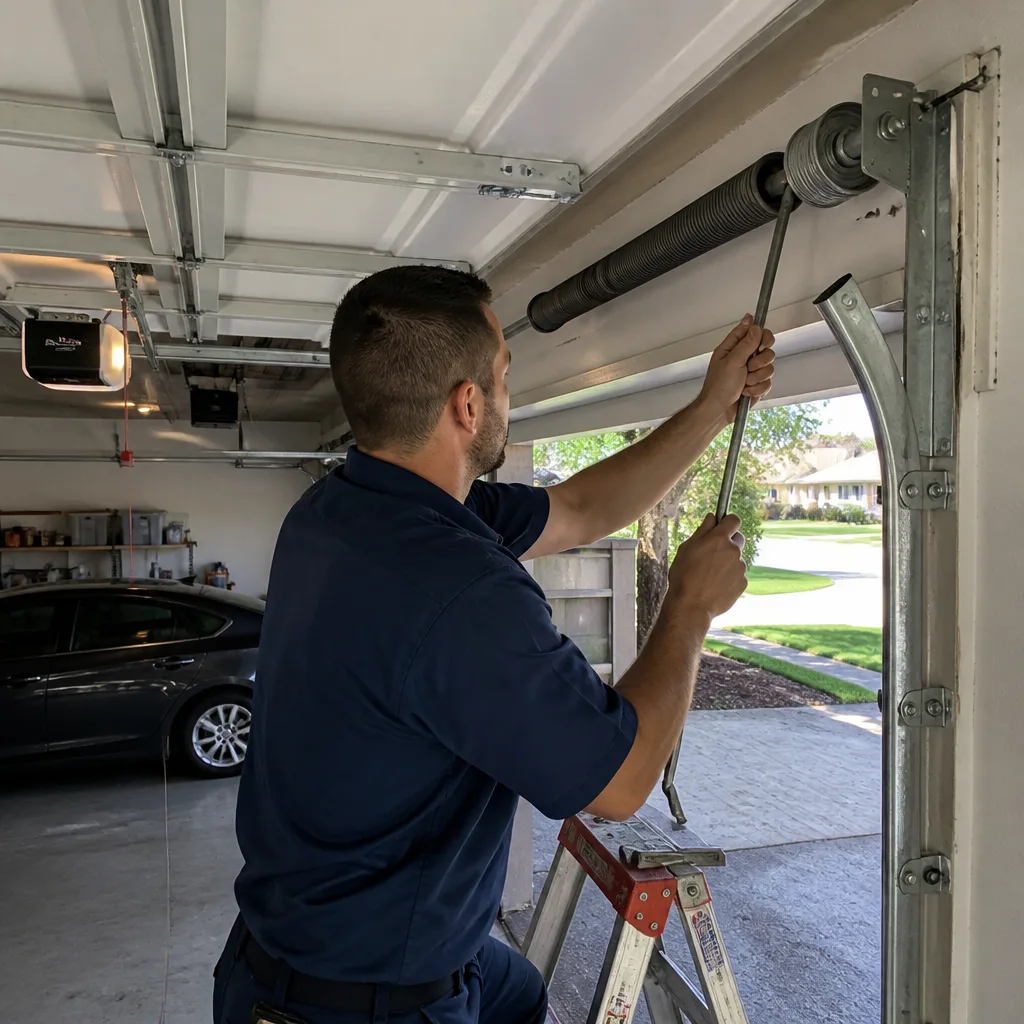 After
After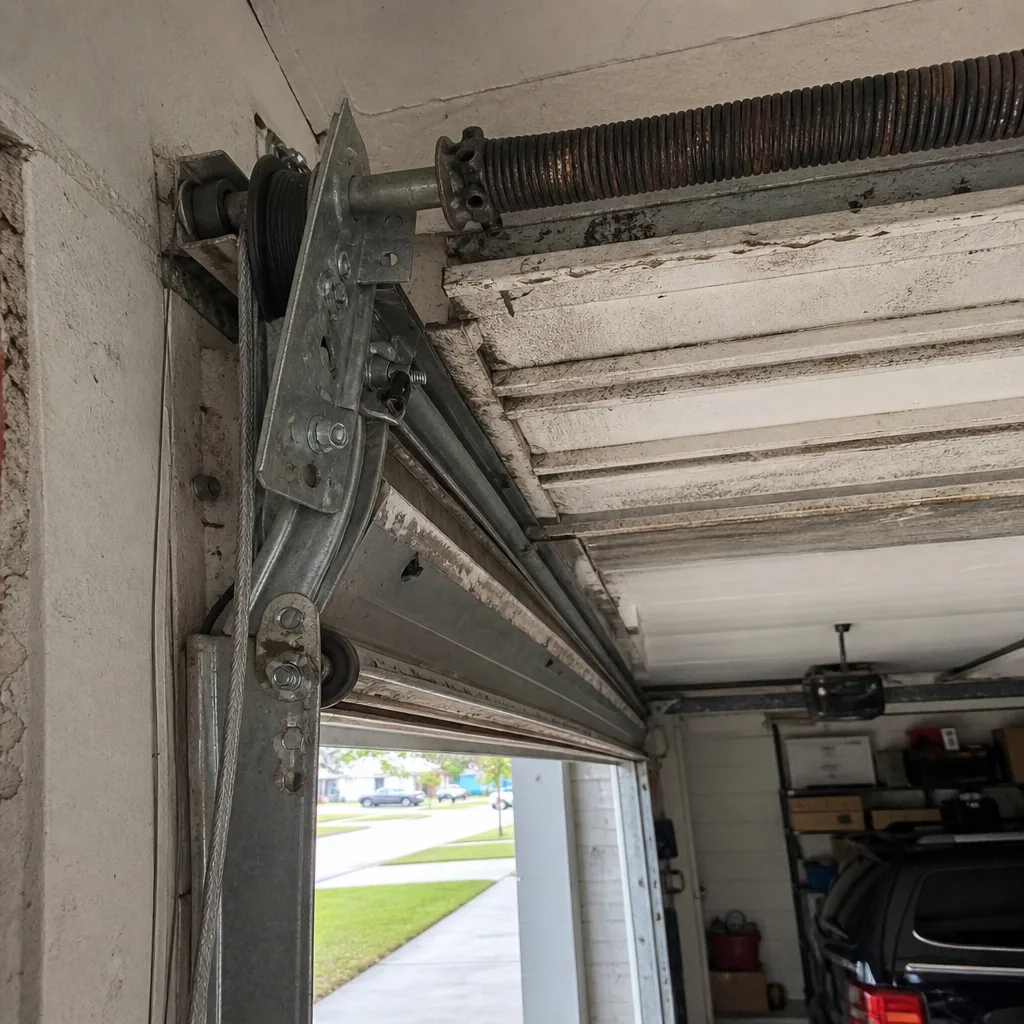 Before
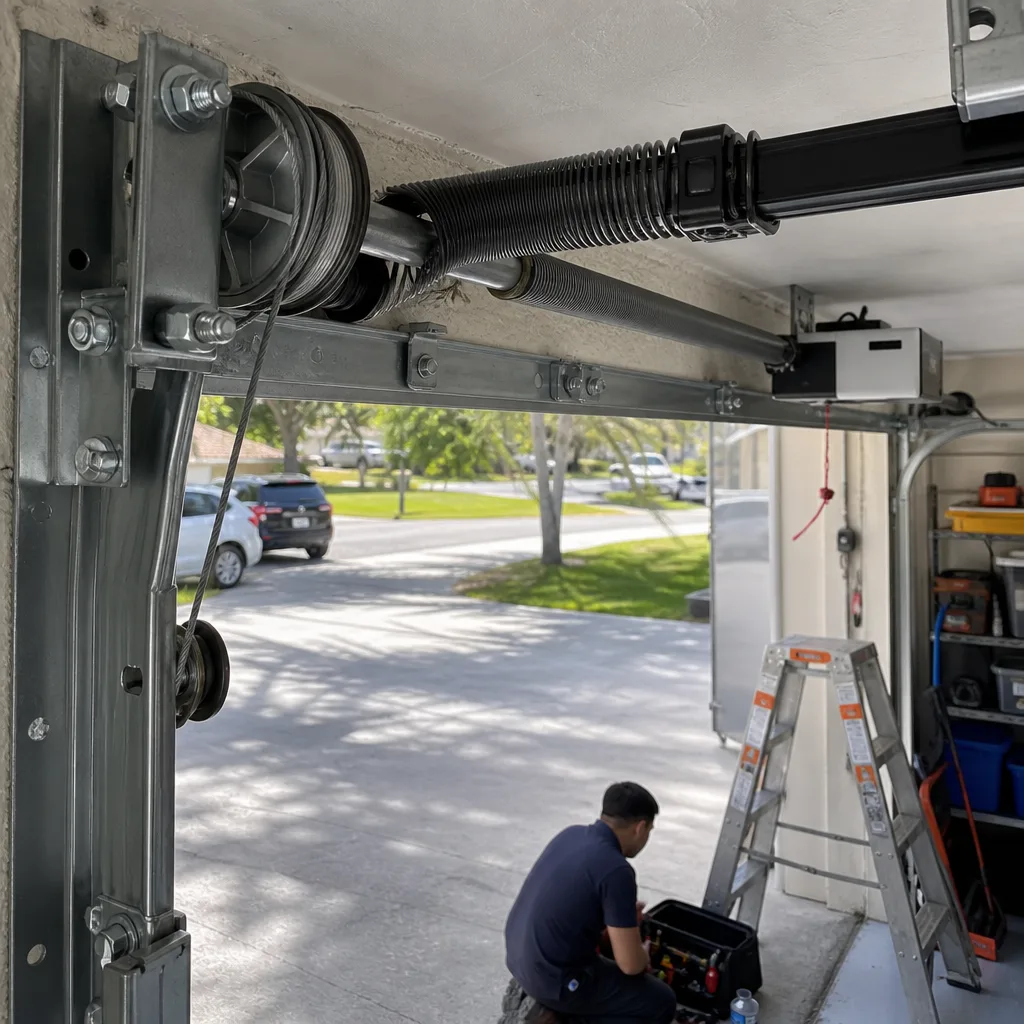 After
After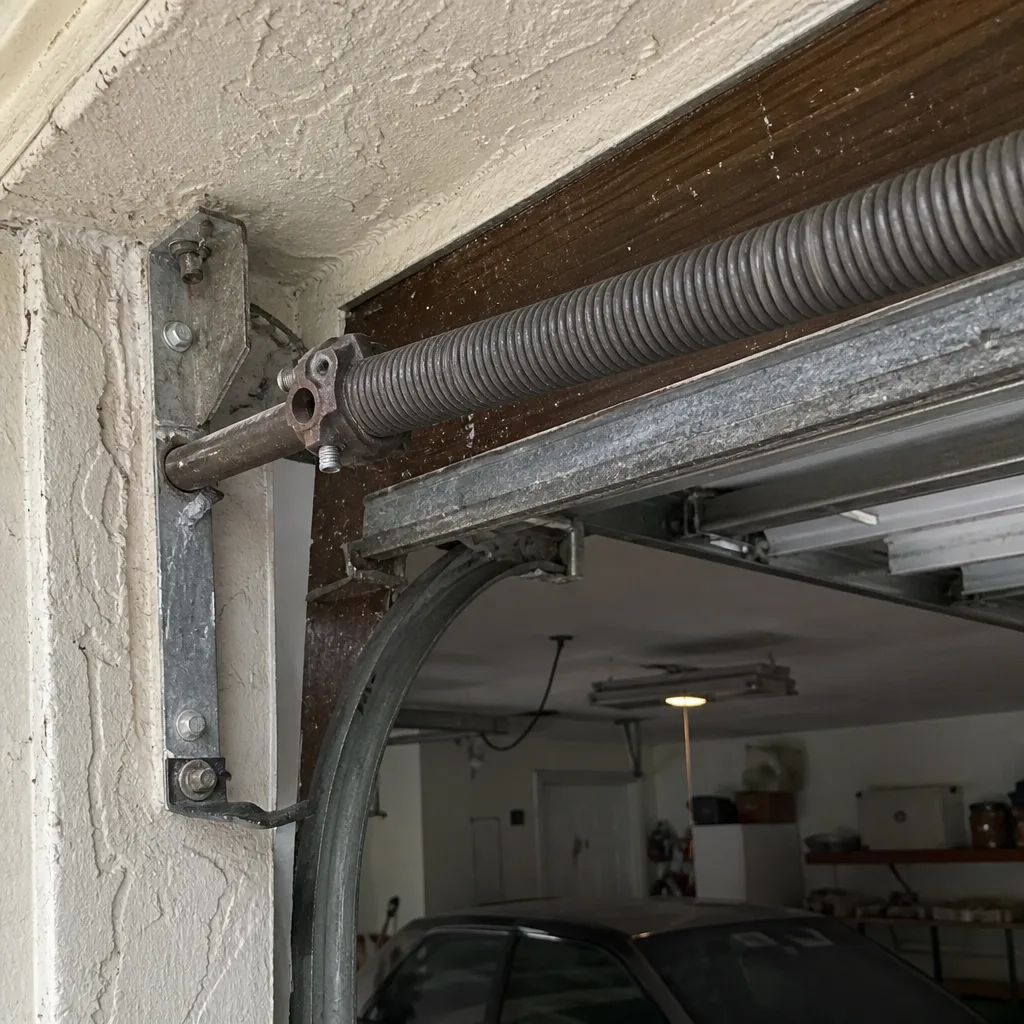 Before
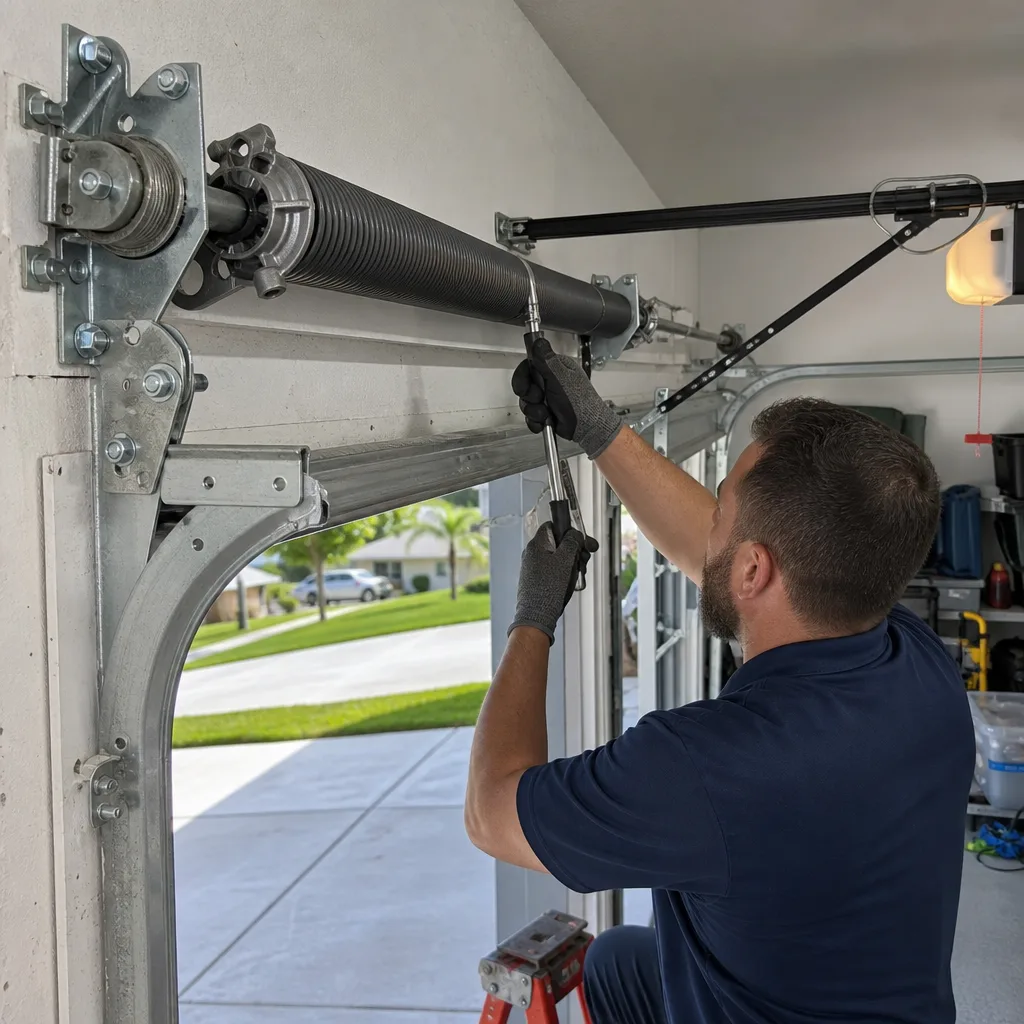 After
AfterGarage Door Permits, Codes & Inspections in FL: What You Need to Know
A garage door replacement in Broward County that skips the permit process doesn’t just risk a fine. It can flag as an open permit violation during a title search and stall or kill a home sale. That consequence is not theoretical. It is a documented pattern in South Florida real estate transactions, and it is the reason this guide exists. We’re writing it from Coral Springs, where we’ve watched homeowners pay for the same garage door twice: once for the installation, and again to unwind the permit mess when they tried to sell. By the time you finish reading, you’ll know exactly which jobs require a permit, what the inspector checks, what documentation to keep, and where the line between repair and replacement actually sits under Florida Building Code.
Quick Answer
Under Florida Building Code as amended by Broward County, a full garage door replacement requires a permit; a repair that swaps out components like springs, rollers, cables, or an opener typically does not. The permit application for Coral Springs homeowners goes through the city’s Building Division, requires a wind-load product approval number on the door, and wraps up with a final inspection after installation. If you’re replacing the door itself, get the permit. If you’re replacing a broken spring at 2 a.m., you don’t need one.
Table of Contents
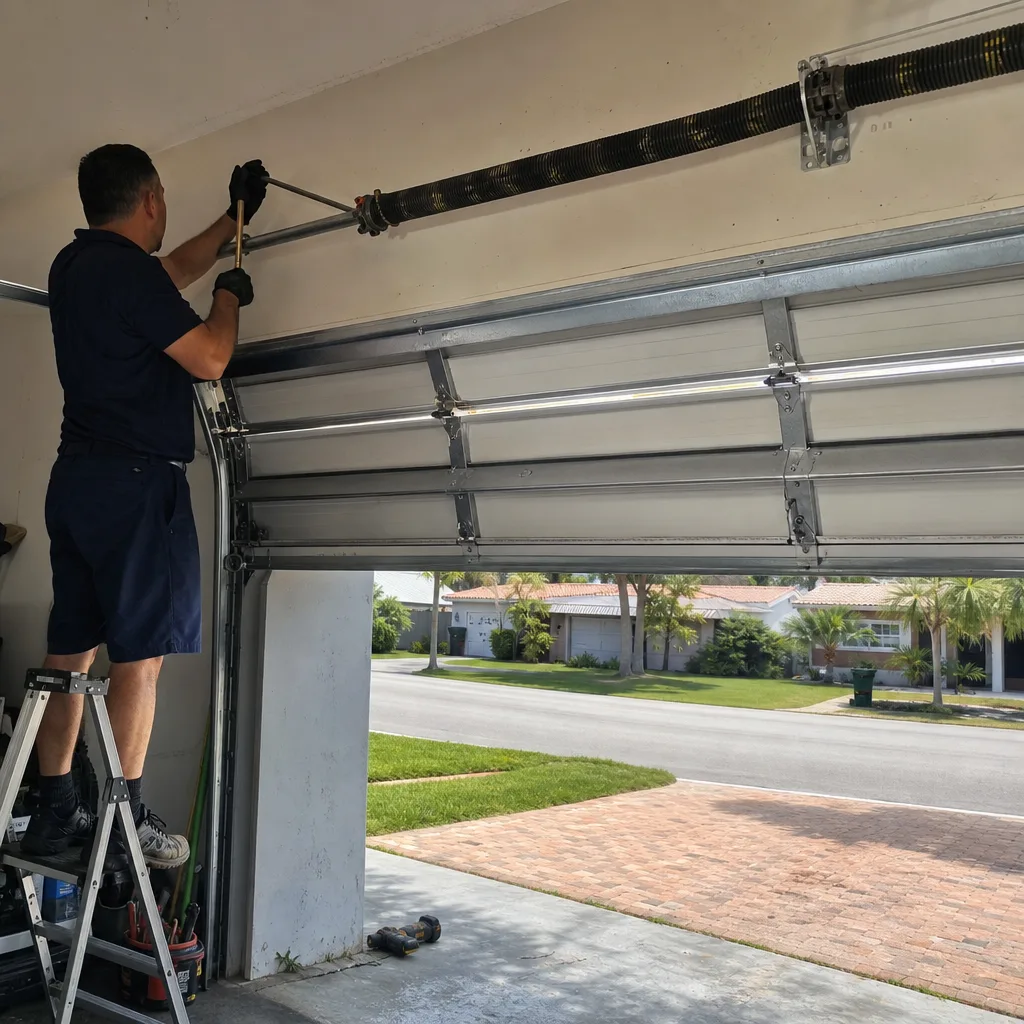
- Permit vs. Repair: Where Florida Code Draws the Line
- Wind-Load Product Approvals: The Number Most Homeowners Never Hear About
- The Coral Springs Permit Application: Forms, Fees, and Timeline
- The Inspection Sequence: Rough-In vs. Final, and What the Inspector Actually Checks
- HOA Approval vs. City Permit: Why One Doesn’t Replace the Other
- What Documentation to Keep After the Job Closes
- Unpermitted Work: Insurance Gaps, Fines, and the Closing Table Problem
- Common Mistakes to Avoid
- When to Call a Professional
- Frequently Asked Questions
- The Bottom Line
BeforeAfterPermit vs. Repair: Where Florida Code Draws the Line
Florida Building Code, as adopted and amended by Broward County, uses specific language to separate work that requires a permit from work that doesn’t. The operative phrase is “replacement” versus “repair.” A replacement means removing an entire assembly and installing a new one. A repair means swapping out a failed component within an existing assembly. The distinction sounds simple. In practice, it confuses homeowners constantly, because garage door work involves dozens of components that sit somewhere between those two categories.
Here is the scope trigger in plain language:
- Full door replacement: Removing the existing door panels, tracks, and hardware and installing a new door. This requires a permit. No exceptions under Broward County amendments. The city considers the door a structural component of the building envelope, and it must be verified for wind load, anchoring, and hurricane resistance.
- Section or panel replacement: Swapping out damaged panels on an existing door. This generally does not require a permit if the door’s structural frame, track system, and anchoring remain unchanged. The panels are considered a repair component.
- Spring replacement: Torsion springs and extension springs are wear components with a rated cycle life. Replacing them is a repair. No permit required.
- Cable, roller, hinge, or bearing replacement: All repair work. No permit required.
- Opener replacement or installation: This is the gray zone. A direct swap of an existing opener, same mount type, same electrical connection, typically does not require a permit. Adding an opener to a door that never had one, or moving the power source, can trigger an electrical permit in Coral Springs. We’ll cover this in the application section.
- Track replacement: If the vertical and horizontal tracks are being replaced as part of a door swap, it falls under the full replacement permit. If a single track section is damaged and replaced, it is a repair.
We’ve seen homeowners in the Wedgewood and Cypress Run neighborhoods get this wrong in both directions. Some have paid permit fees for spring replacements they never needed. Others have installed full doors without a permit and discovered the problem only when a buyer’s title agent pulled the city’s permit history. The cost of the mistake runs in the thousands either way, which is why we photograph every job before quoting and document the scope in writing. The scope determines the permit requirement, and the photograph determines the scope.
Wind-Load Product Approvals: The Number Most Homeowners Never Hear About
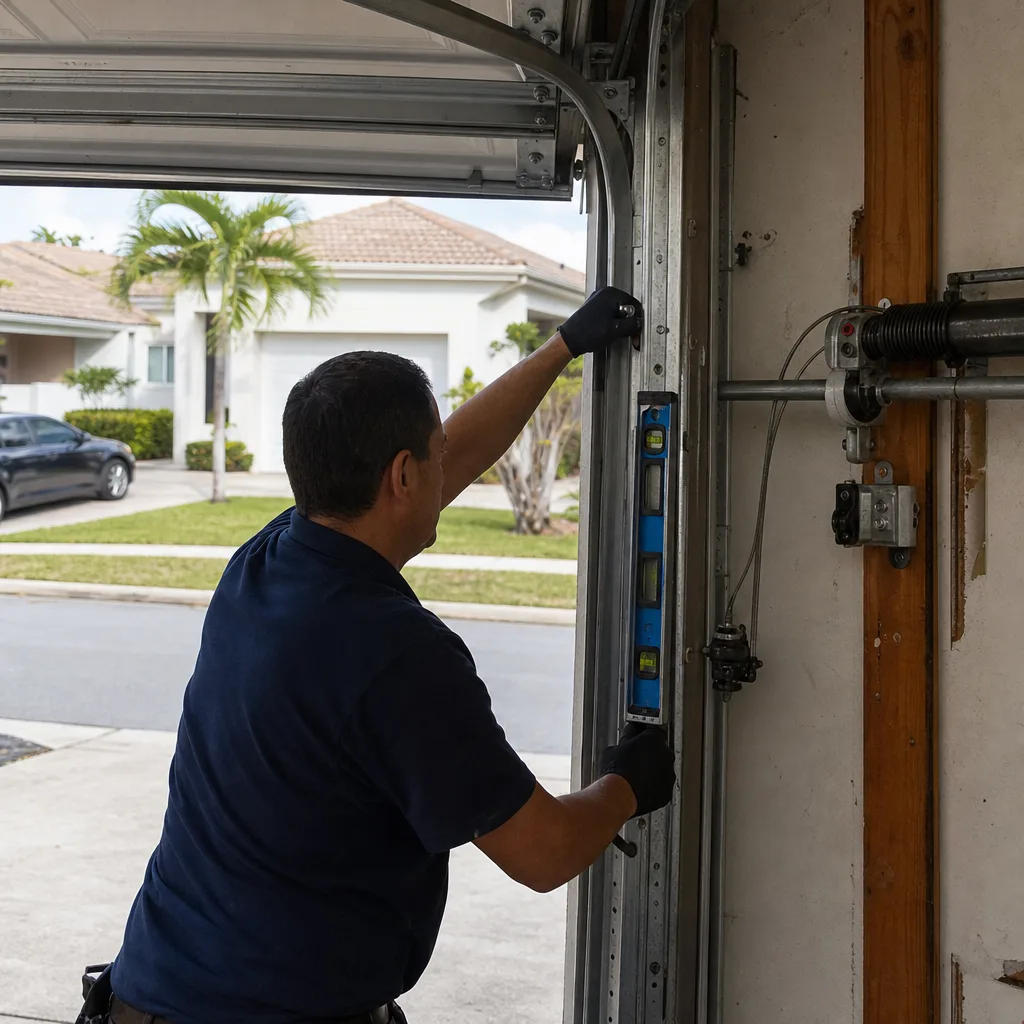
Every garage door installed under permit in Florida must carry a Florida Product Approval number on file with the state’s Department of Business and Professional Regulation. This number certifies that the specific door model has been tested to meet the wind-load requirements for the building’s wind zone. Coral Springs sits in a High Velocity Hurricane Zone, which means the requirements are not optional stickers. They are structural safety standards.
Here is what happens when a contractor installs a door without a Florida Product Approval number:
- The final inspection cannot pass, because the inspector has no approval record to verify against the installation.
- The permit remains open, which means the city records show unresolved construction work on the property.
- If the unapproved door fails during a storm and causes structural damage, the homeowner’s insurance carrier can deny the claim on the grounds that the product was never code-compliant for the wind zone.
- When the home is sold, the title search shows the open permit, and the seller either pays to resolve it or loses the sale.
We install doors from manufacturers that maintain current Florida Product Approvals, including Raynor, LiftMaster, Chamberlain, and Genie for openers. The approval number goes on the permit application before the door ships. If a homeowner brings us a written estimate from another company that doesn’t list a product approval number for the door they’re quoting, that’s a red flag worth investigating. The paperwork either exists or it doesn’t.
One detail that surprises homeowners: the wind-load requirement applies to the door as a complete assembly. A door panel from one manufacturer paired with tracks from another may not carry a valid approval, even if both components carried approvals individually. The tested assembly is what the number covers. We note this because we’ve seen discount installers mix components to hit a price point, and the assembly was never rated for Coral Springs wind loads.
The Coral Springs Permit Application: Forms, Fees, and Timeline
As of 2025, the permit process for a residential garage door replacement in Coral Springs runs through the city’s Building Division, not the county. Homeowners can file themselves or have the contractor file on their behalf. The sequence is as follows:
- Gather the product documentation. The door’s Florida Product Approval number, wind-load design pressure rating, and installation specifications must be submitted with the application. If the contractor cannot produce these documents before the job is quoted, stop right there.
- Complete the permit application. Coral Springs uses the standard Broward County permit application format, with the city’s own fee schedule. The application requires the property address, the scope of work (garage door replacement), the contractor’s license information, and the product approval details.
- Submit and pay the fee. Permit fees for a residential garage door replacement in Coral Springs typically range from $80 to $200, depending on the valuation of the work and whether the door is a single or double garage. The exact fee is calculated from the job’s declared value, which is another reason the written scope matters.
- Wait for review. Most residential garage door permits in Coral Springs are approved within three to five business days in 2025. The review checks the product approval number against the state database and verifies the contractor’s license is active. Some permits clear on the same day if the application is complete.
- Post the permit. The permit card must be visible at the job site on installation day. The inspector will not perform the final inspection if the permit is not posted.
Homeowners can file this permit themselves. In practice, most let the contractor handle it, because the application pulls together licensing, product approval, and scope documentation that the contractor already has. We file the permit for every door replacement we install in Coral Springs, and the permit number appears on the written scope before the work begins. The customer knows what they’re paying for before the door arrives.
The one recurring question is whether opener installations need a permit. In Coral Springs, a direct opener swap on an existing electrical circuit does not. Adding a new circuit, relocating the outlet, or installing an opener where none existed can trigger an electrical permit. We evaluate this during the quote and include any required accessory permit in the written price. No surprises, no after-the-fact add-ons.
The Inspection Sequence: Rough-In vs. Final, and What the Inspector Actually Checks
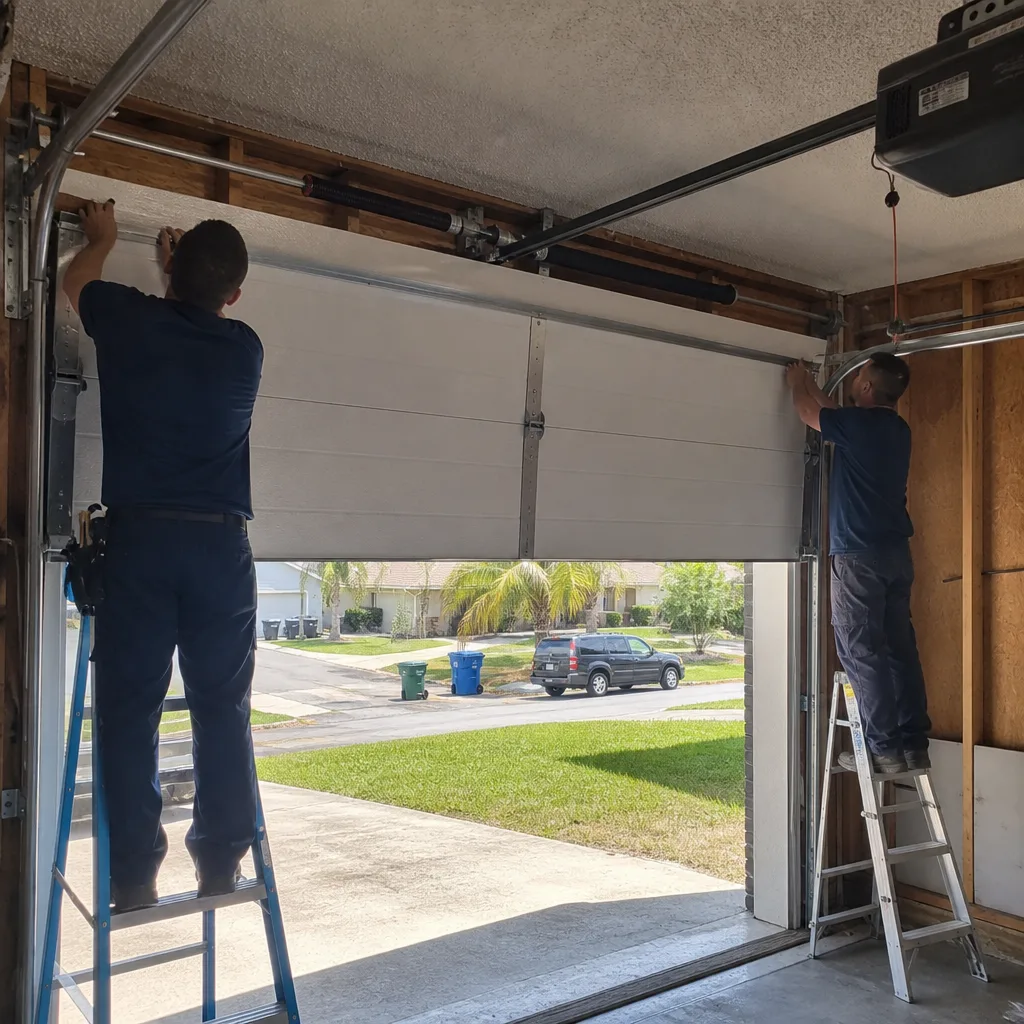
Garage door permits in Coral Springs typically require a single final inspection. Some projects, particularly those involving new custom doors or significant structural anchoring changes, may include a rough-in inspection before the door is fully installed. Here is what happens at each stage:
Rough-in inspection (when required): The inspector checks the mounting points for the door’s track system and spring assemblies. They verify that the anchoring hardware matches the product approval documentation and that the framing will support the wind-load rating. They check that the door’s header is structurally sound and that no electrical work has been done without a permit. This inspection happens before the door sections are hung.
Final inspection: The inspector verifies that the installed door matches the product approval records. They check the track alignment, the anchoring pattern, the spring tension system, and the opener’s electrical connection. They test the door’s balance, confirm that the auto-reverse safety mechanism works, and check that the emergency release is functional. If the door has a manual locking system, they verify it operates without binding.
We photograph every inspection point after installation, because the customer should see what the inspector sees. The photo record includes the anchoring points, the product approval label on the door, the opener wiring, and the safety sensor alignment. If a customer ever needs to prove the installation was code-compliant, they have the evidence in their email.
For reference, a Garage Door Installation in Coral Springs that involves a permit will close with a signed inspection report. We retain copies of every permit, approval, and inspection document associated with a job. The customer receives the same set. Paper trail, not a handshake.
HOA Approval vs. City Permit: Why One Doesn’t Replace the Other
Many Coral Springs homes sit within homeowner associations that govern exterior appearance changes. A garage door is an exterior change. The HOA may require architectural review before you’re allowed to replace it with a different style, material, or color. Here is what many homeowners miss: the HOA approval and the city permit are entirely separate processes, and neither one substitutes for the other.
The correct order of operations when both are required:
- Check the HOA’s governing documents first. Determine whether a garage door replacement requires architectural review. Some HOAs allow same-style replacements without review. Many require approval for any change in material, color, or window configuration.
- Submit the HOA request. This typically happens before the city permit, because the HOA may dictate design parameters that affect which door you can install. An approved door style becomes a fixed input for the permit application.
- Apply for the city permit after HOA approval. The permit references the specific door model and its product approval number, so the HOA’s design constraints must be resolved first.
- Schedule installation after the permit is issued. Installing before the permit clears creates the open-permit problem described earlier.
We’ve seen this process catch homeowners in the Heron Bay and Eagle Trace communities off guard. The HOA rule is a private covenant, not a building code. The city inspector does not check HOA compliance, and the HOA does not check permit compliance. Failing either one creates a separate headache.
If you’re not sure which approvals your HOA requires, call the management office before you sign any installation contract. It costs nothing to ask and can save you a retrofit order later.
What Documentation to Keep After the Job Closes
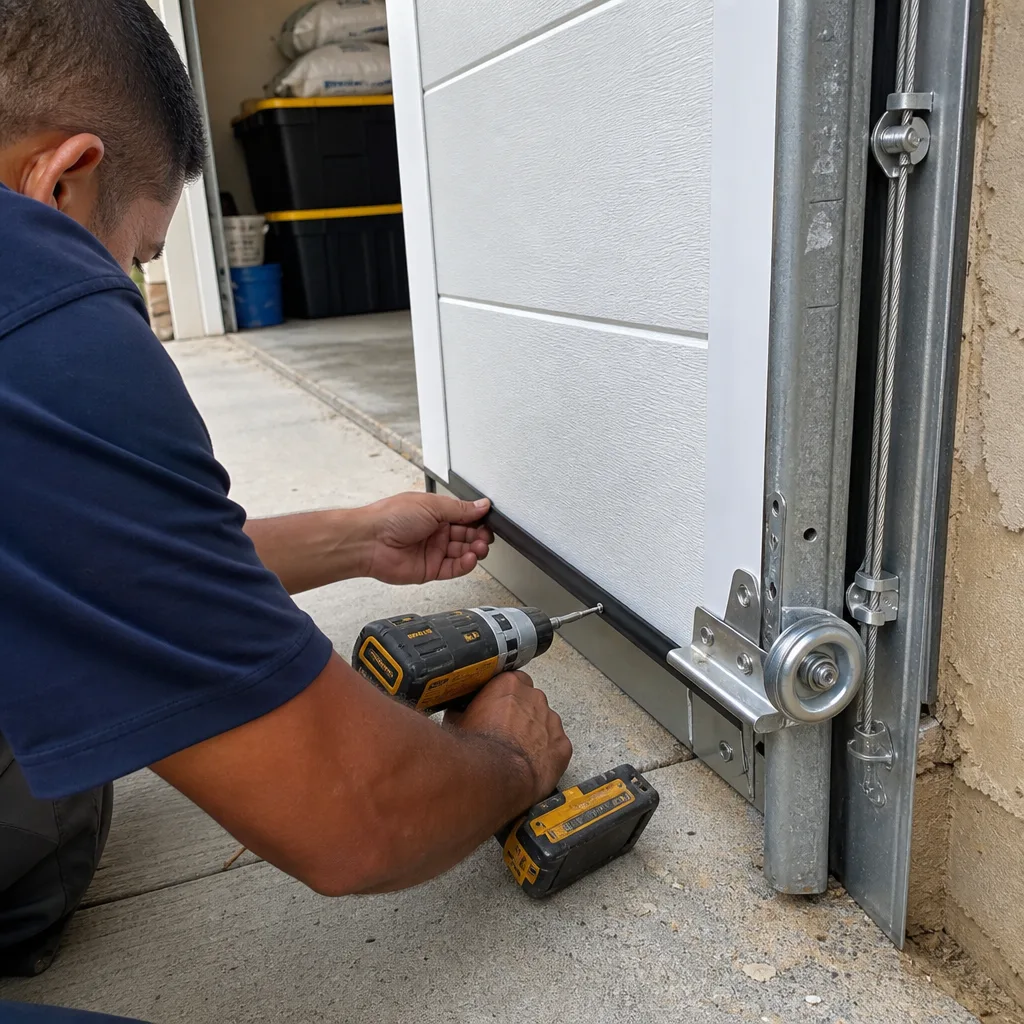
When the inspection passes and the job closes, the homeowner should receive a specific set of documents. If the contractor doesn’t provide these, request them. Every one of them has a role in a future sale, insurance claim, or warranty service request.
- The final permit card with the inspector’s sign-off. This proves the permit was closed. An open permit is a lien-adjacent problem in a title search.
- The Florida Product Approval number and specification sheet for the installed door. This is the documentation that proves wind-load compliance. It should list the exact model, the design pressure rating, and the approval number.
- The written scope and final price from the original quote. This establishes what was agreed to and what was actually done. In our case, it is the same document, because the price is set before work begins and doesn’t change unless the scope changes.
- The manufacturer’s warranty registration. Most door manufacturers require registration within a specific window after installation. The warranty starts on the installation date, not the purchase date.
- The photo record of the installation. If a future repair is needed, or if a buyer wants to verify the condition of the door at installation, the photos are the record.
- The contractor’s license and insurance information. Not all homeowners keep this, but it becomes relevant immediately if a warranty issue arises.
We deliver all of these documents in a single packet after every permitted installation. It is Clause 4 of The Haven Standard in action: the customer sees what was found, what was done, and what the city confirmed before anyone leaves the driveway.
Unpermitted Work: Insurance Gaps, Fines, and the Closing Table Problem
The financial consequences of unpermitted garage door work in Coral Springs break into three categories. The first is the city’s enforcement response: a code enforcement action can result in fines, and the city can require the work to be brought into compliance, which often means removing the door and starting over. The second is insurance: a door installed without a permit is a code violation, and a failure during a wind event can give the carrier grounds to deny a claim. The third is the one homeowners feel most acutely: the closing table.
When a buyer’s title agent searches Coral Springs permit records and finds either no permit for a garage door replacement that required one, or an open permit that was never closed, the transaction pauses. The seller either pays to resolve the issue or the deal falls apart. We’ve heard from real estate agents in Coral Springs who have watched this happen on homes that otherwise sailed through inspection. The garage door was the one thing that pulled the deal backward.
The cost to resolve an unpermitted installation after the fact is always higher than the original permit fee. It includes the permit, the inspection, often the repair work to bring the door into compliance, and sometimes a fine. Cheap installation becomes expensive compliance.
If you’re buying a home in Coral Springs and the seller can’t produce permit documentation for a garage door that was clearly replaced, ask for it before you close. If they can’t produce it, make it a contingency. The garage door is a structural component of the building envelope in a hurricane zone. The documentation matters.
Common Mistakes to Avoid
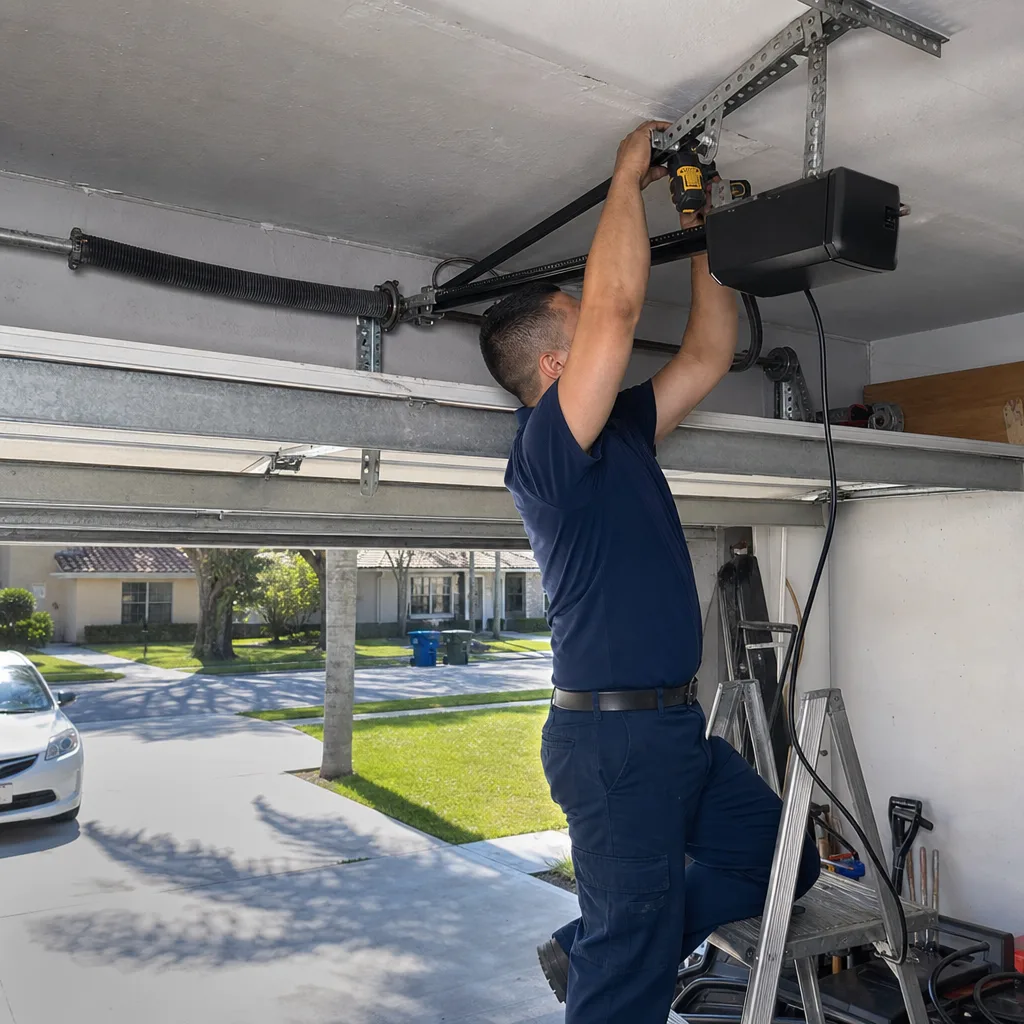
- Assuming a repair needs a permit. Homeowners occasionally pay for permits they never needed, for spring replacements or panel swaps. This adds cost and delay without adding any legal protection. Know the scope trigger.
- Assuming a replacement doesn’t need a permit. The opposite mistake is more expensive. A full door swap without a permit creates the title search problem described above.
- Trusting an HOA approval as a substitute for a city permit. These are separate jurisdictions. HOA approval governs what your door looks like. The city permit governs whether it was legally installed. You need both where both apply.
- Hiring a contractor who cannot produce a Florida Product Approval number. If the approval number isn’t on the quote or cannot be produced on request, the door may not be code-compliant for Coral Springs wind zones. Walk away.
- Filing the permit as “repair” when the scope is actually a replacement. This is a documentation fraud that surfaces later. The city evaluates the scope against the building code, not against what the contractor wrote on the application. An inspector will catch a full door swap mislabeled as a repair.
- Losing the inspection sign-off after the job closes. That document is the proof the permit was closed. Without it, a title search may not be able to verify the resolution. Keep it with the home’s closing papers.
When to Call a Professional
Garage door permit work is not a handyman project. The wind-load requirements in Coral Springs mean the door must be anchored to a tested specification, and the documentation must be filed correctly with the city. If your scope involves a full door replacement, a new opener on a new circuit, or any work that might require architectural review by an HOA, call a licensed contractor who files permits as standard practice. Our How to Hire a Garage Door Contractor in Coral Springs: A Step-by-Step Guide explains what to look for. If you have an existing installation that may have been done without a permit, a licensed contractor can assess the work, identify the compliance gap, and help you resolve the open permit. Servo Garage Doors Coral Springs offers free estimates in Coral Springs - call (754) 399-3666 for a written price before any work starts.
Frequently Asked Questions
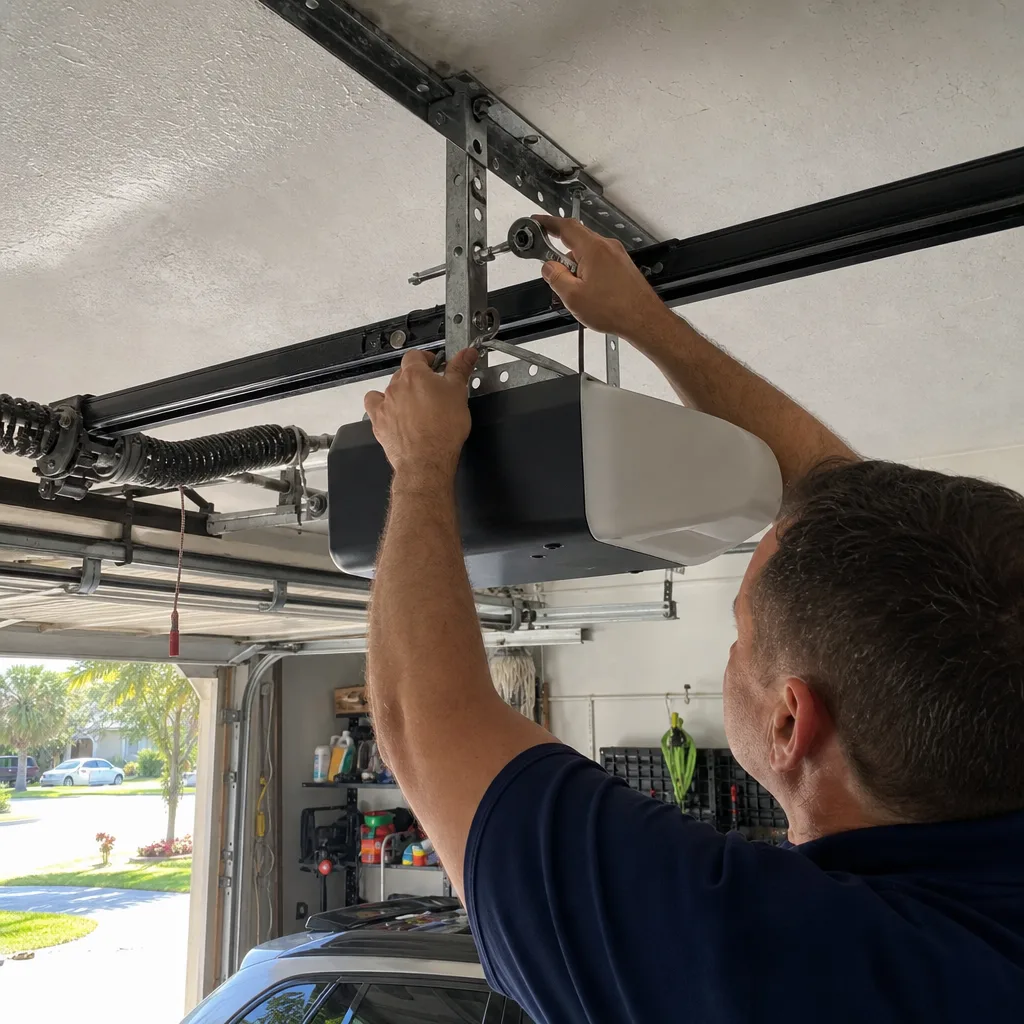
Yes, if the work involves removing the existing door and installing a new one. A full door replacement requires a city permit because the door is a structural component of the building envelope and must meet wind-load requirements. Component repairs like spring replacement or panel swaps do not require a permit.
Residential garage door replacement permits in Coral Springs typically range from $80 to $200 as of 2025. The fee is calculated from the declared value of the work, which is why a written scope matters. Call (754) 399-3666 for an exact quote on your specific project - estimates are free.
Yes, homeowners can file for and obtain a garage door permit for their own residence in Coral Springs. The application requires product approval documentation and a written scope of work. In practice, most homeowners have the licensed contractor file the permit, because the contractor already holds the necessary documentation.
A direct swap of an existing opener on the same electrical circuit typically does not require a permit. Adding an opener where none existed, or relocating the power source, can trigger an electrical permit. Check with the Coral Springs Building Division for your specific setup. Call (754) 399-3666 if you want a definitive answer for your garage.
The code enforcement response can include fines, a requirement to bring the work into compliance, and an open permit record that surfaces during a title search when you sell. The insurance implications can be worse: an unpermitted door that fails in a storm may not be covered. Resolving the problem later always costs more than the original permit.
Yes, if your HOA’s governing documents require architectural review for exterior changes. Get the HOA approval first, then apply for the city permit with the approved door model. The two processes are separate, and neither one substitutes for the other. Call (754) 399-3666 if you’re not sure what your HOA requires.
The Bottom Line
Florida garage door permit requirements come down to one distinction: replacement versus repair. A full door replacement in Coral Springs requires a permit, a Florida Product Approval number, and a final inspection. A broken spring does not. The documentation you keep after a permitted installation is just as important as the permit itself, because it protects you at the closing table and in an insurance claim. If you’re replacing a door, get the permit, keep the paperwork, and work with a contractor who photographs what they find before they quote a price. Servo Garage Doors Coral Springs home to learn more about our process, or explore our Garage Door Repair in Coral Springs and Garage Door Opener Repair & Installation in Coral Springs pages for service details.
Written by Marcus Deller, Owner at Servo Garage Doors Coral Springs, serving Coral Springs since 2015. Explore more guides & resources on garage door care and compliance.