
Last updated September 20, 2026
Full 25-point door and opener safety check with every visit - springs, cables, rollers, tracks, and your LiftMaster or Chamberlain opener included
You get a price before we start. It does not change when the truck arrives.
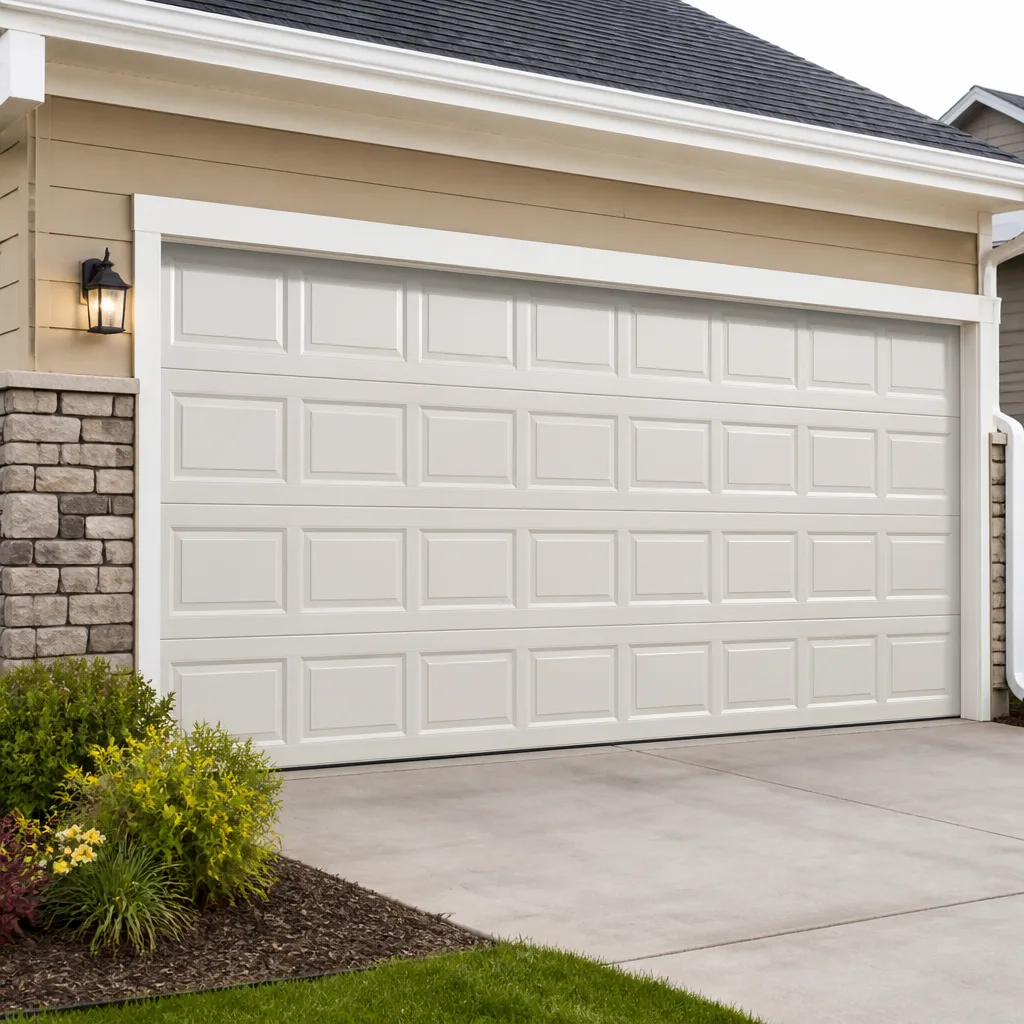
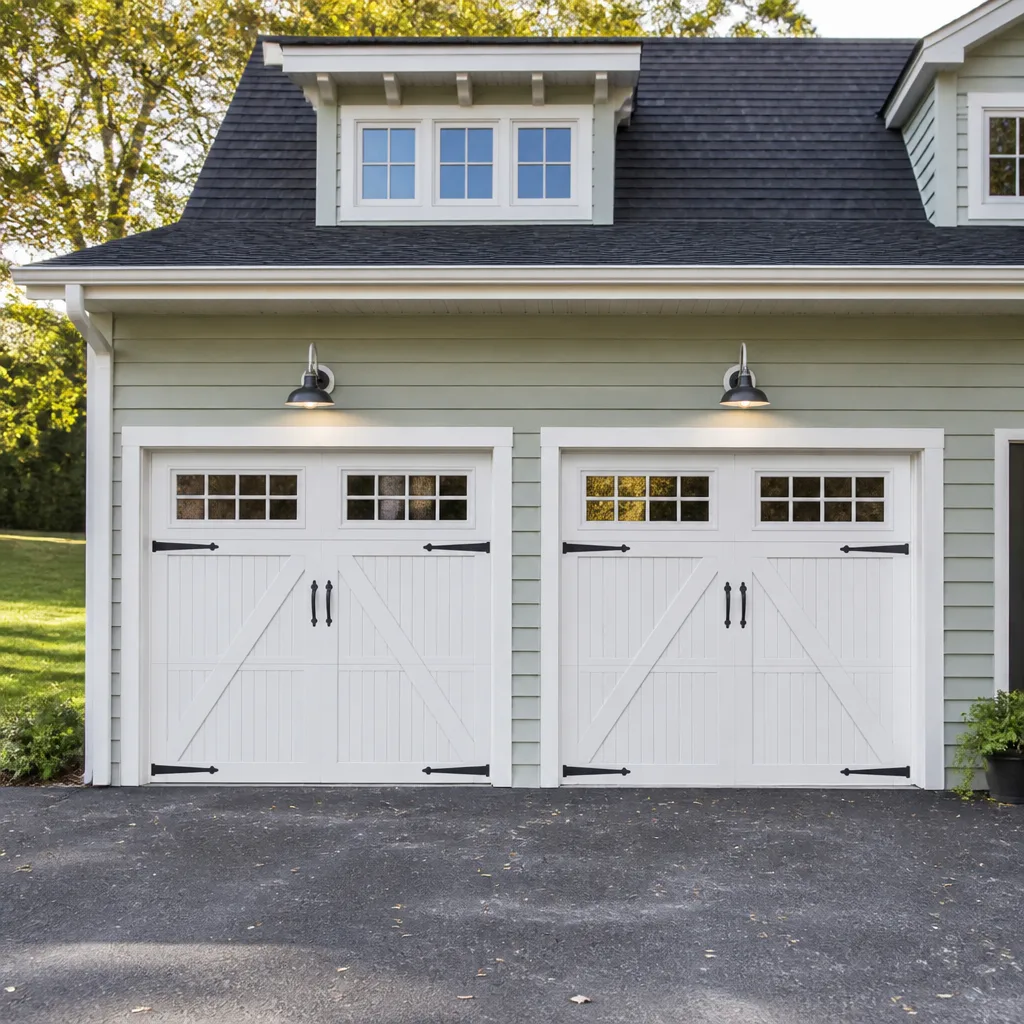
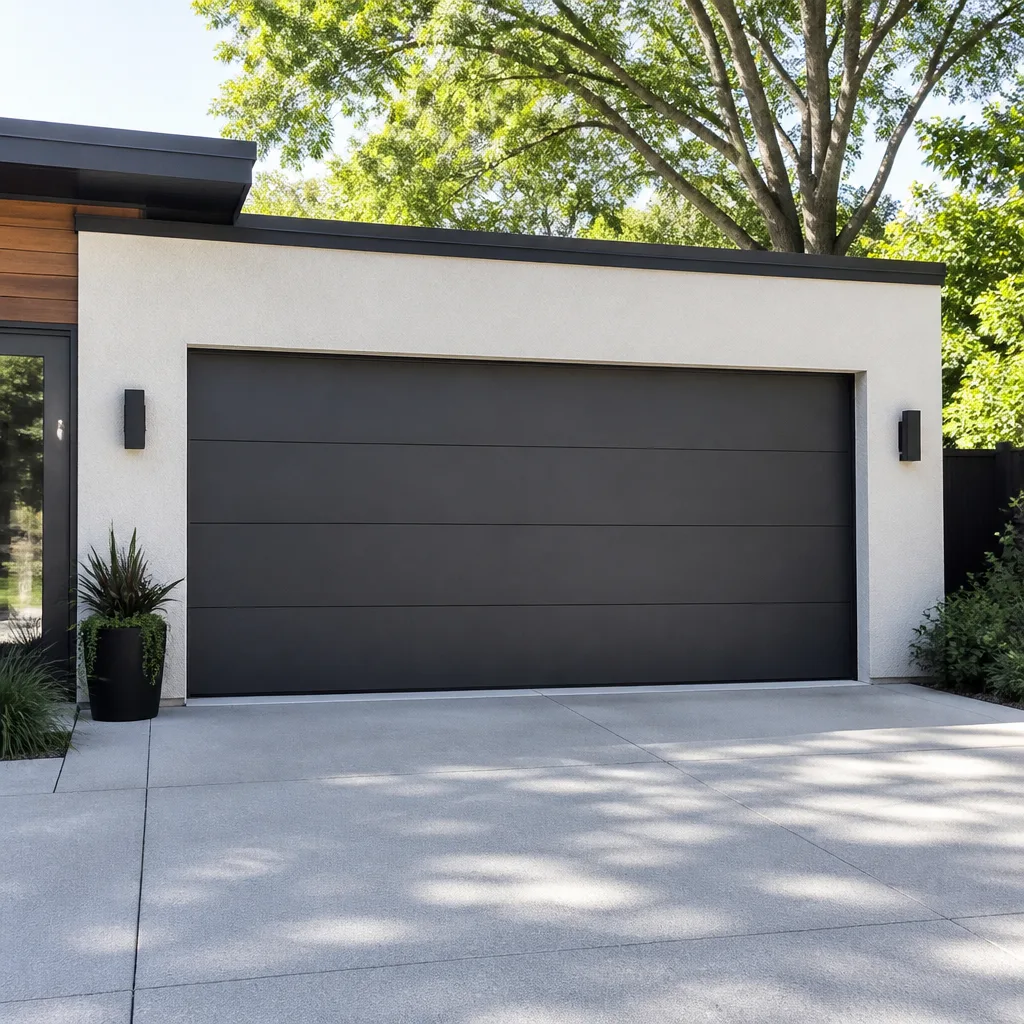
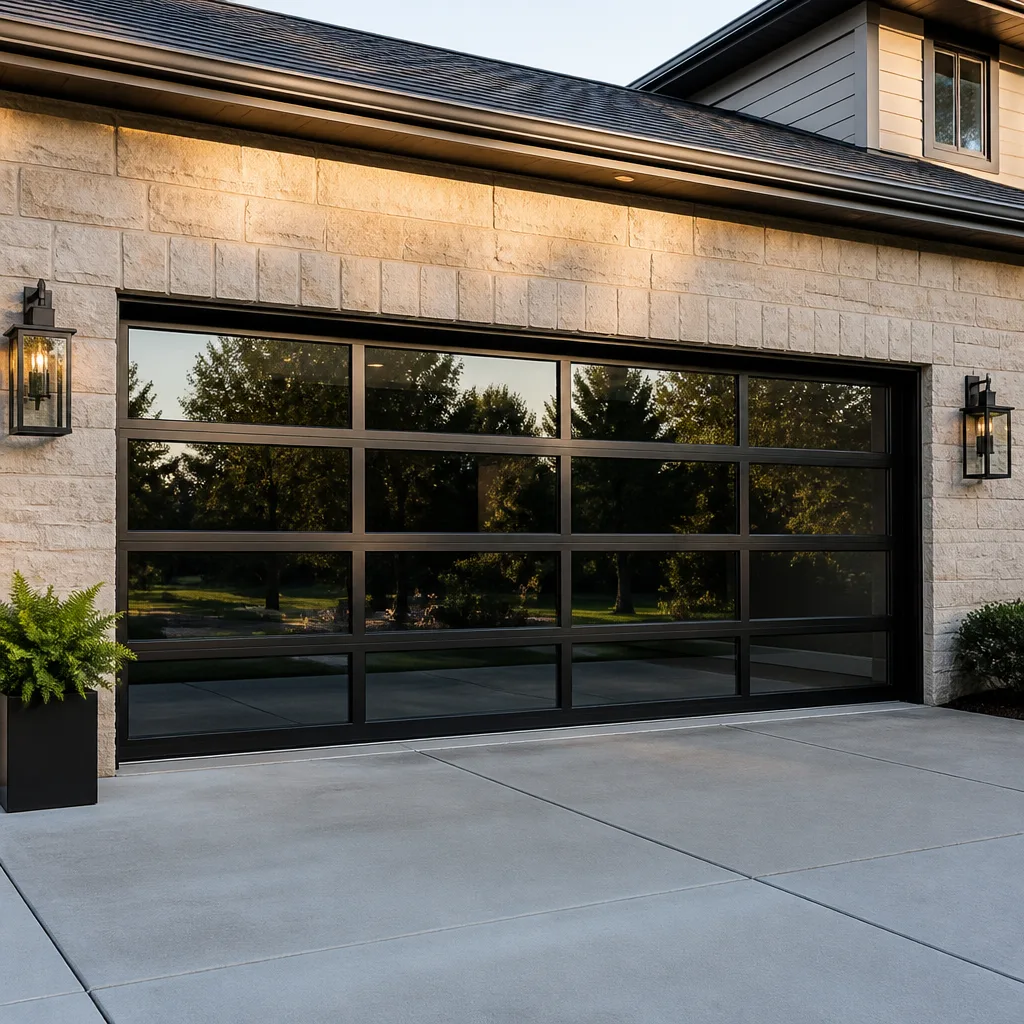
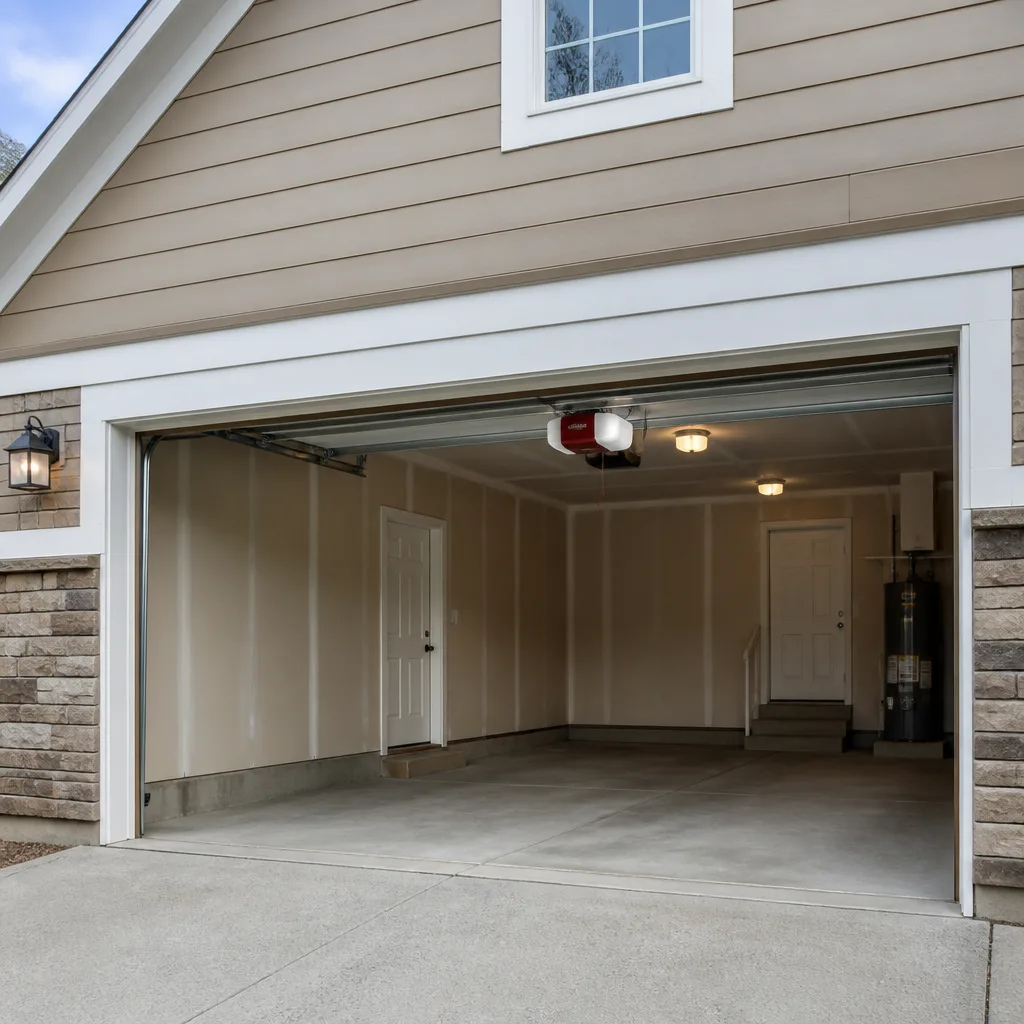
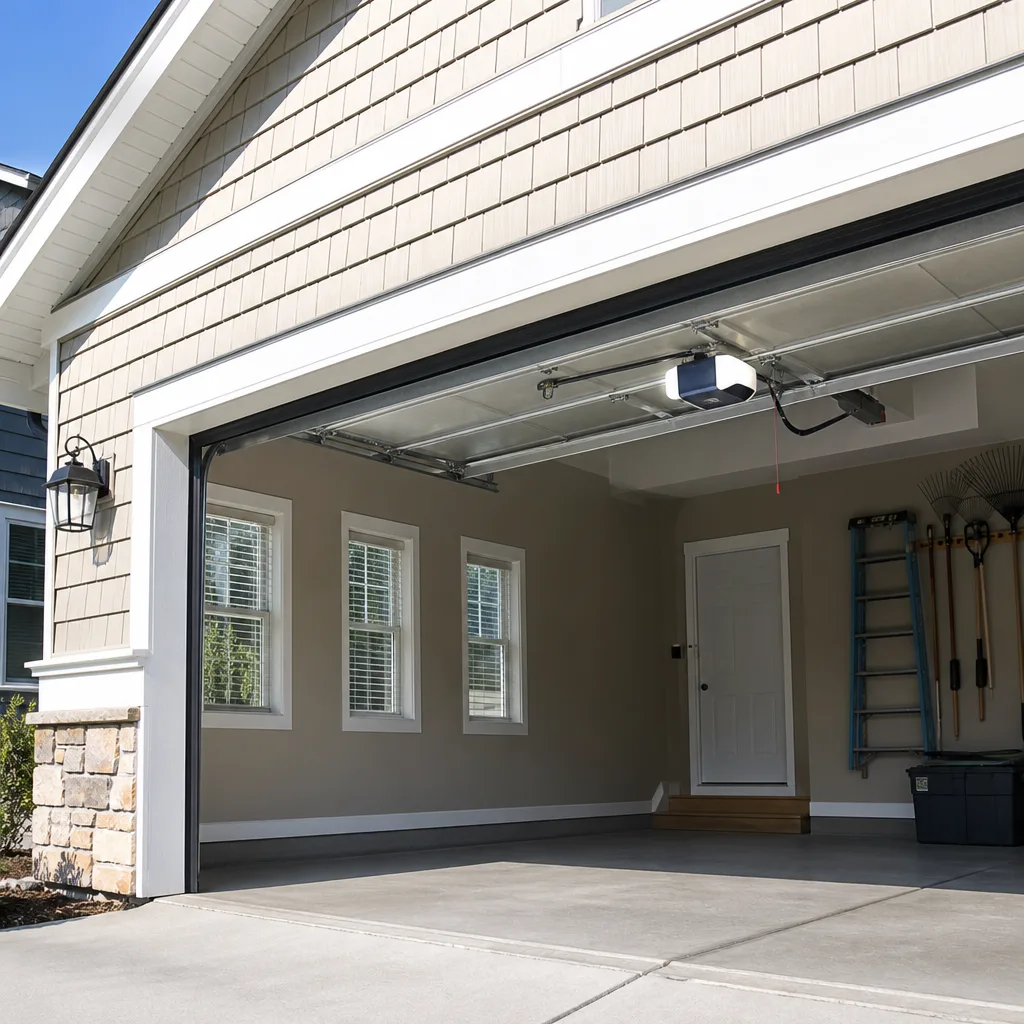
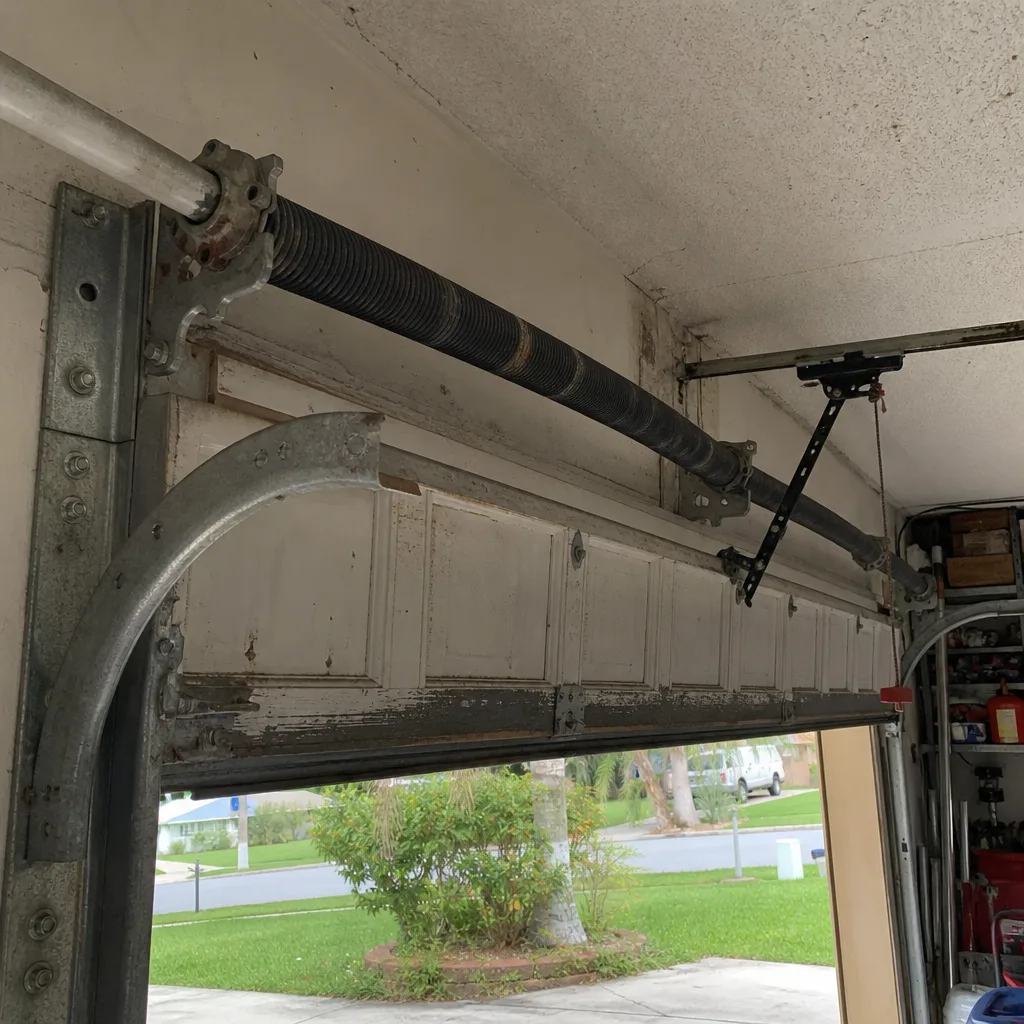 Before
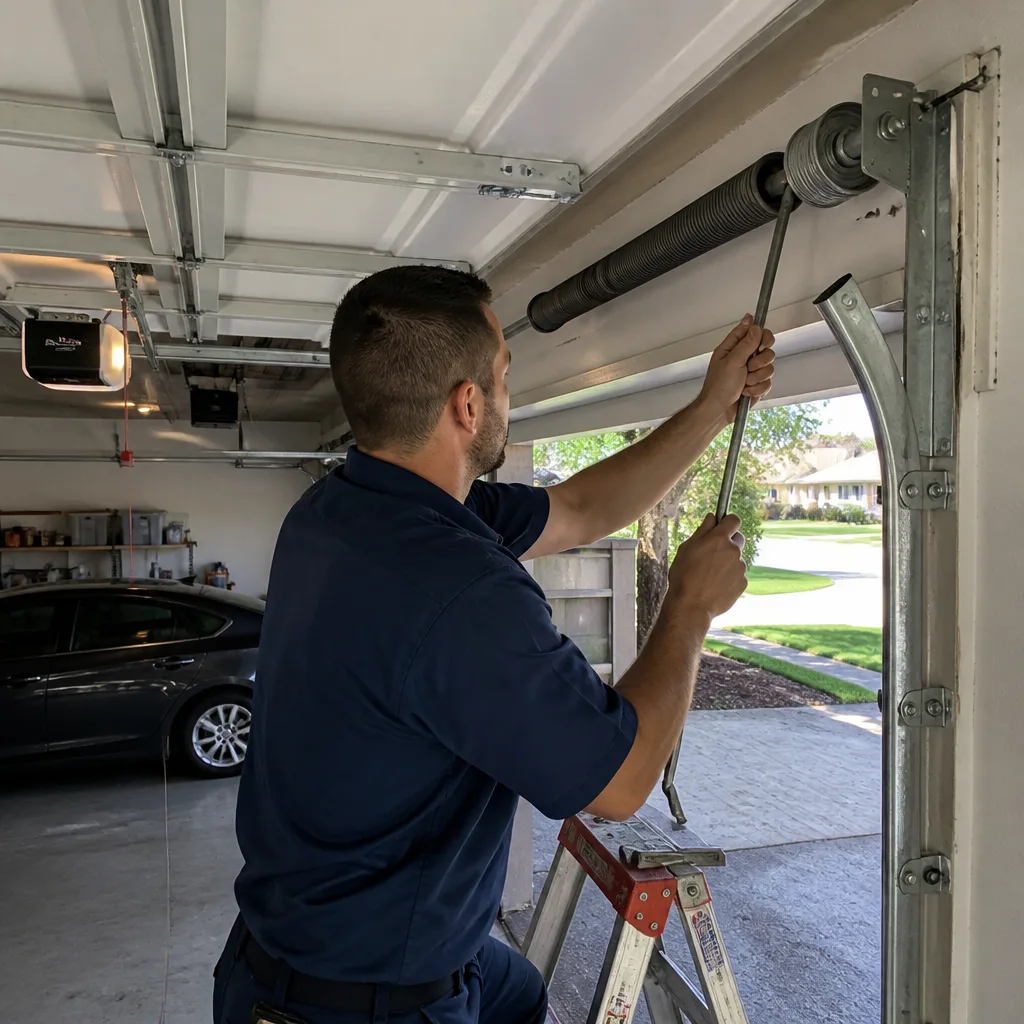 After
After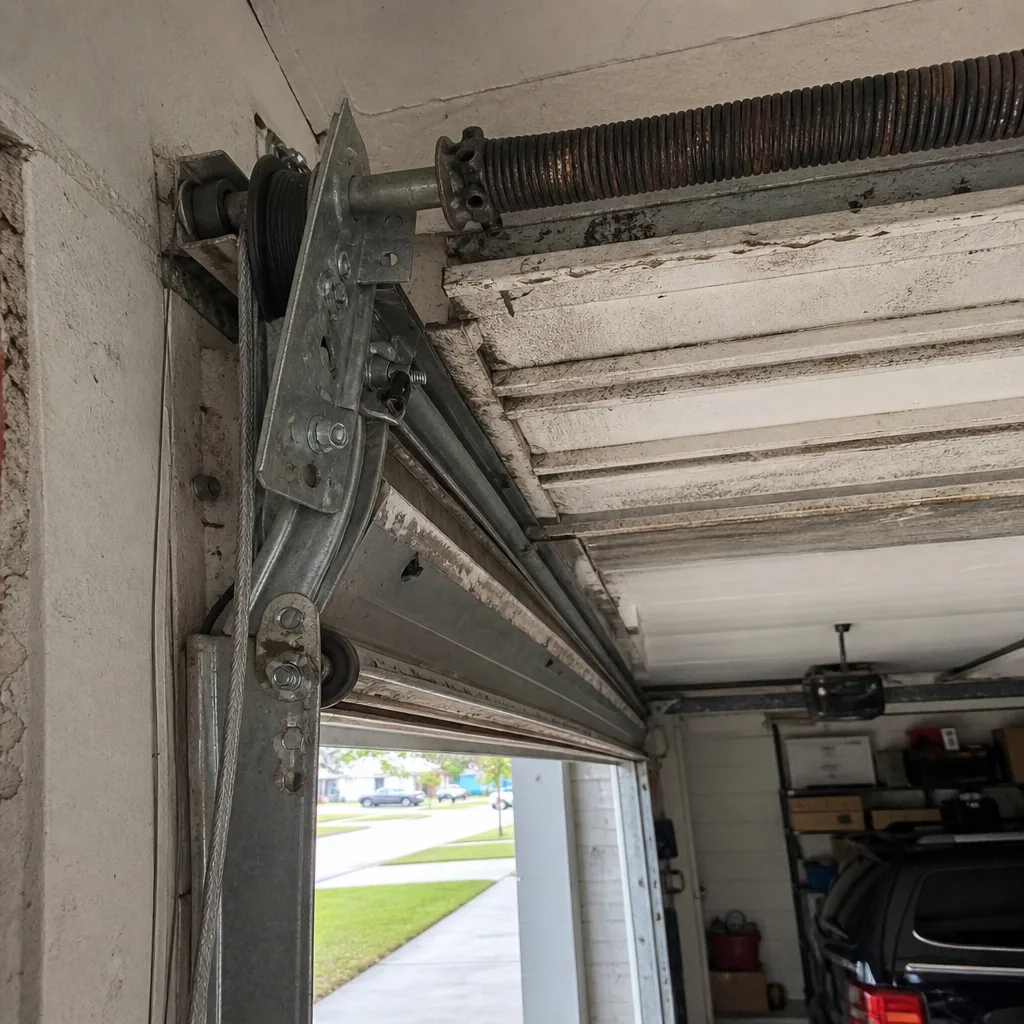 Before
 After
After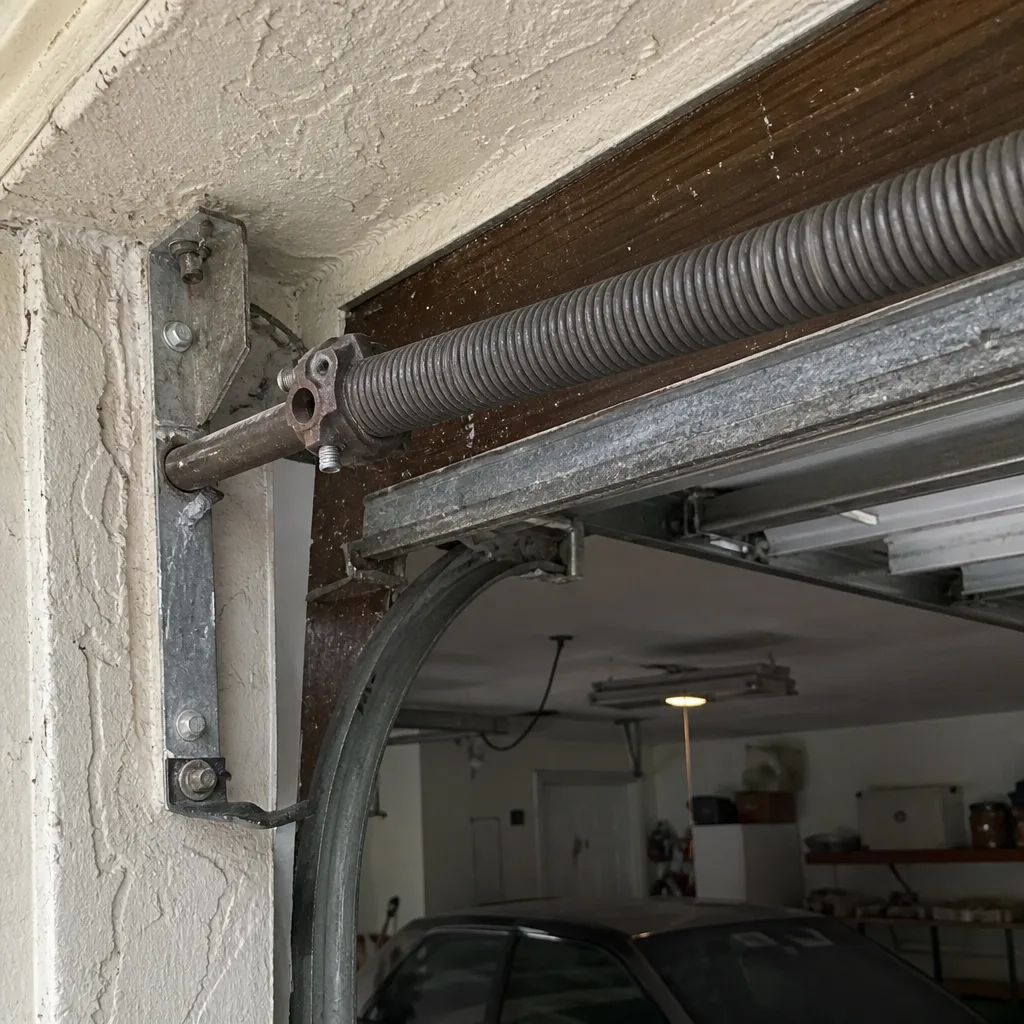 Before
 After
AfterSeasonal Garage Door Care for Coral Springs: Year-Round Homeowner’s Guide
The most common timing mistake Coral Springs homeowners make is scheduling garage door maintenance in December, after hurricane season has already stressed cables, seals, and bottom brackets, rather than in May, before the first named storm makes landfall. By December, the damage is already done. Coral Springs doesn’t have four seasons in the traditional maintenance sense. It has a hurricane season, a dry season, and two transitional humidity spikes, and each one stresses a different set of garage door components. This guide reorganizes care tasks around those actual climate events rather than the calendar quarters designed for northern homeowners. For a broader look at garage door care in this area, see The Complete Guide to Garage Door in Coral Springs. You’ll learn what to check in May, what to inspect after a storm passes, which lubricants survive a South Florida dry season, and why your opener’s location inside the garage matters more than its brand. Written from the perspective of a Coral Springs garage door company that has worked on more than 18,000 doors since 2015, this is the maintenance calendar that actually fits this climate.
Quick Answer
Seasonal garage door maintenance in Coral Springs FL should be organized around three climate events: a pre-hurricane-season inspection and torque check in April and May, a post-storm inspection after any named storm or severe thunderstorm, and a humidity-transition check in October when the dry season begins. Homeowners should verify anchoring hardware torque, bottom seal compression, and wind-load rating documentation before June 1 each year, use silicone or lithium lubricant instead of petroleum-based products during dry months, and expect to adjust spring tension as steel panels expand in summer heat. A full seasonal inspection typically takes 30 to 45 minutes, and most Coral Springs homeowners can handle the visual checks themselves while leaving torque verification and spring adjustments to a licensed technician. If you’re unsure which tasks are safe to DIY, read our DIY vs Professional Garage Door: The Coral Springs Homeowner’s Decision Guide.
Table of Contents
- Coral Springs Climate: What Actually Stresses Your Garage Door
- Pre-Hurricane Season Checklist for Coral Springs (April-May)
- Post-Storm Inspection: What to Check After a Hurricane or Tropical Storm
- Wind-Load Ratings and Florida Product Approval: What Your Door Should Have
- Dry Season Lubricant Selection: Why Petroleum Products Fail in Coral Springs
- Humidity Transition Checks (May and October): Seals, Rollers, and Steel Expansion
- Opener Heat Management: Wall-Mounted vs. Ceiling-Rail Units in Coral Springs Garages
- Common Mistakes to Avoid
- When to Call a Professional
- Frequently Asked Questions
- The Bottom Line
BeforeAfterCoral Springs Climate: What Actually Stresses Your Garage Door
A garage door in Coral Springs lives a different life than one in Chicago or Phoenix. The city sits about 15 miles inland from the Atlantic, which means it gets the humidity of coastal Florida without as much direct salt spray, but it still catches the full force of afternoon thunderstorms from June through September. The garage door is the largest moving object in your home, and in Coral Springs it faces three distinct stress cycles every year.
The wet season, running roughly May through October, drives humidity levels above 80% for weeks at a time. Steel panels absorb ambient moisture and expand slightly. Rubber seals soften and compress. Rollers, especially steel rollers with ball bearings, lose their factory grease faster in humid air than in dry air. The bottom seal, which presses against the garage floor, stays pliable but can trap moisture against the door skin, accelerating rust at the bottom panel seam if the paint has any chips or scratches.
The hurricane season, June 1 through November 30, brings wind loads that a garage door is supposed to be built for, but only if the anchoring hardware is correctly torqued and the door’s wind-load rating matches the building code for Broward County. Wind pushes against the door skin, and that force transfers through the hinges, rollers, and tracks into the framing. If any of the lag bolts holding the track brackets to the jambs have backed out even a quarter inch, the wind has a lever to work with.
The dry season, November through April, drops relative humidity and brings dust. Coral Springs sits on the edge of the Everglades, and the dry winter months push fine particulate matter into garages through air gaps around the door. Petroleum-based lubricants, the kind sprayed on chain drives and hinges by well-meaning homeowners, trap that dust and turn into a grinding paste within a few weeks. This is one of the most common problems we see on Garage Door Repair in Coral Springs calls in January and February.
Understanding these three stress cycles is the foundation of everything else in this guide. Maintenance in Coral Springs is not a calendar exercise. It’s a response to the weather systems that actually move through this city, and each one demands a different set of checks.
Pre-Hurricane Season Checklist for Coral Springs (April-May)
By the time Broward County is under a hurricane watch, you will not be able to get a technician to your house for a routine inspection. The time to prepare a garage door for hurricane season is April and May, before the first named storm forms. Here is the checklist we recommend, in order of importance.
- Visually inspect the bottom seal. Run your hand along the rubber strip at the bottom of the door. It should compress evenly against the garage floor across the full width. Any gap larger than a quarter inch invites wind-driven rain into the garage during a storm.
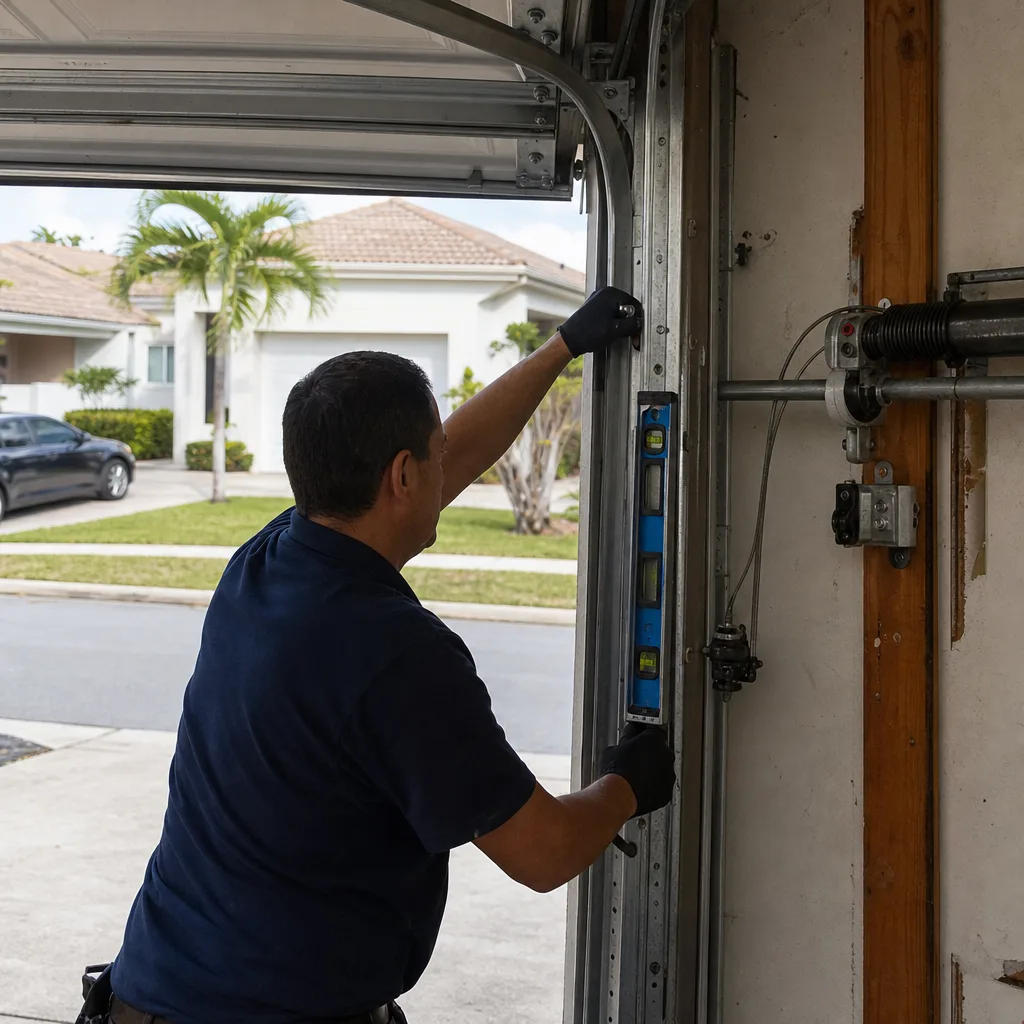
- Check every hinge bolt and track bracket. Use a socket wrench, not a screwdriver, to test each bolt. You are checking for looseness, not tightening everything. If a lag bolt turns freely more than a half turn, it has backed out and should be re-torqued.
- Test the door balance. Disconnect the opener by pulling the red release handle, then manually lift the door to the halfway point. A properly balanced door will stay at half height on its own. If it drops, the torsion springs are losing tension and should be checked by a professional before hurricane season.
- Inspect the cables on both sides. Look for fraying, rust, or kinks along the full exposed length of the cable. Cables under tension that fail during a storm can cause the door to fall unevenly and bind in the tracks.
- Verify the wind-load rating documentation. Locate the Florida Product Approval number on a label on the door or in your closing documents from the home purchase. Confirm the door’s wind-load rating matches the requirement for your zone in Coral Springs.
In our experience working across Coral Springs neighborhoods from the Dells to Maplewood, the anchoring hardware is the most overlooked item on this list. Lag bolts holding track brackets to the garage door jambs vibrate loose over years of daily open and close cycles. In May, testing those bolts takes ten minutes. In September, with a Category 2 system approaching, a loose bracket becomes a real structural problem.
One more thing about the May inspection window. Coral Springs building code requires garage doors installed in new construction to meet specific wind-load standards, but many homes in the city were built before stricter post-Andrew codes took effect. If you bought your home between 2015 and 2025, your door likely meets current standards, but the anchoring hardware is still only as good as its last torque check. We recommend having a technician verify torque values if you cannot produce the original installation documentation.
Post-Storm Inspection: What to Check After a Hurricane or Tropical Storm
A garage door in Coral Springs does not need to be hit by a hurricane to sustain storm damage. Even a strong tropical storm or an intense afternoon thunderstorm can push water under the bottom seal, slam the door in wind gusts, and leave debris against the tracks. After any significant storm passes, here is what to look for.
First, inspect the door skin from the inside with the door closed. Run a flashlight across the surface at a low angle. Dents or waves in the steel panels from wind pressure will show as shadows. A dented panel is a cosmetic issue in most cases. A panel that has separated from the hinge or shifted out of the track is a safety hold and the door should not be operated until it has been inspected.
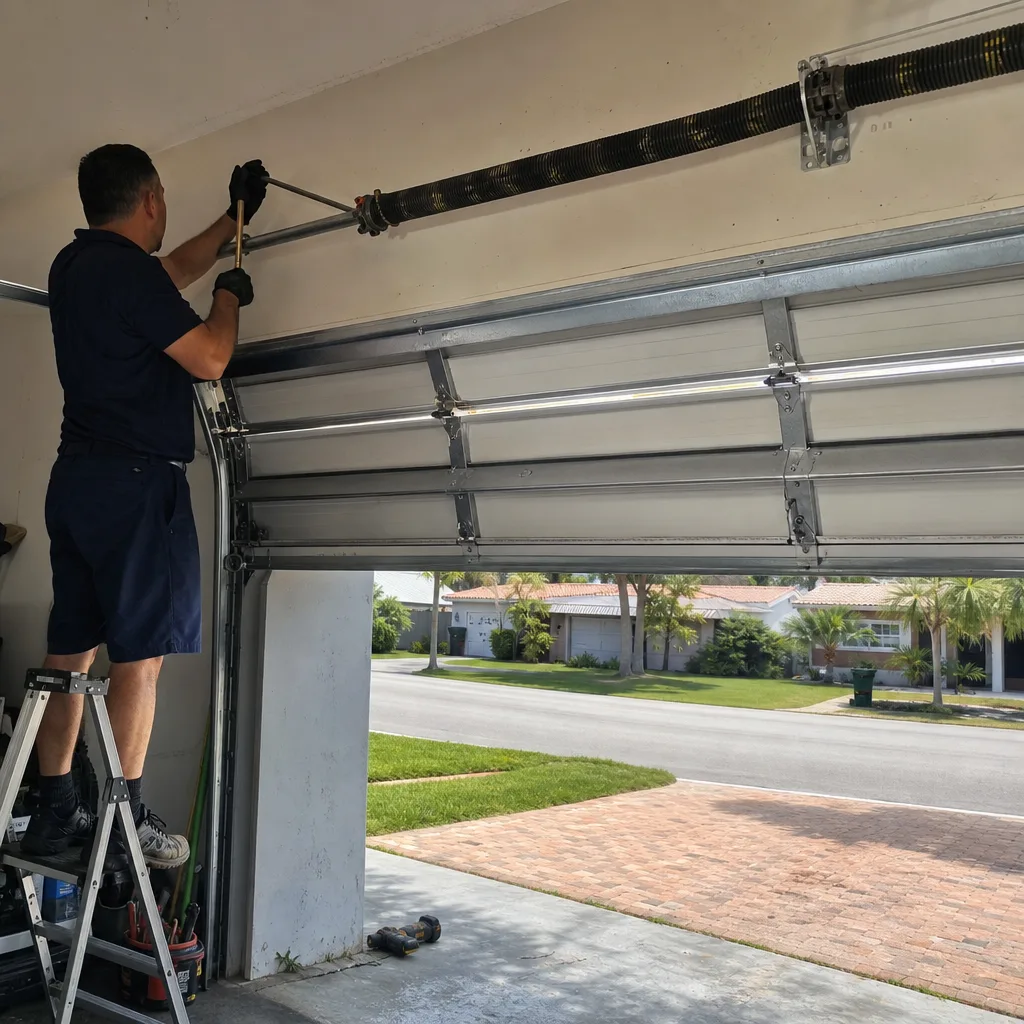
Second, check the drums and cables. The cable drum is the spool at each end of the torsion tube above the door. Each cable should wind evenly onto its drum with no overlap or gap. If one cable has jumped the drum, slack, or crossed over itself, the door can bind on the next cycle. This is a safety hold.
Third, check the bottom seal and the garage floor. If water entered the garage, look for a debris line on the floor showing where it pooled. The bottom seal may have been pushed out of position by wind-driven rain. Replace it if it is torn or no longer compresses evenly.
Fourth, run a full open and close cycle. Listen for grinding, squealing, or popping. A popping sound from the spring area is often a cable briefly catching on the drum. A grinding sound from the rollers is often a bearing or a bent track. Both warrant a professional look.
We have also seen post-storm damage to the garage door opener’s force settings. A door that was pushed against the tracks by wind pressure may trip the opener’s force safety sensor. If your door reverses immediately after touching the floor, or refuses to close fully, the force adjustment may have been knocked out of calibration. That is a fix a technician can make in minutes.
Wind-Load Ratings and Florida Product Approval: What Your Door Should Have
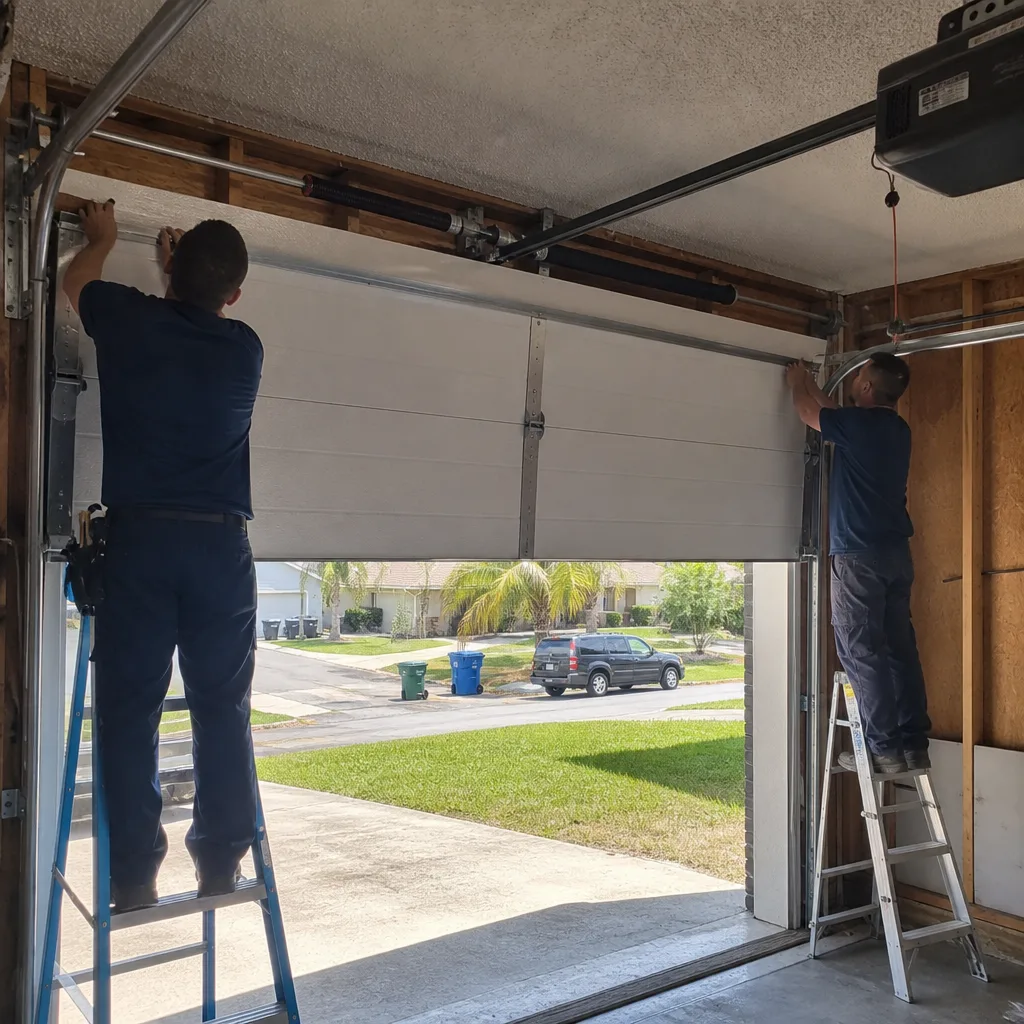
Every garage door installed in Coral Springs since the Florida Building Code took effect in 2002 is required to carry a Florida Product Approval number. That number certifies the door has been tested to withstand specified wind pressures for its installation zone. Broward County is in the High Velocity Hurricane Zone, which requires garage doors to resist some of the highest wind loads in the state.
Here is what this means for a homeowner. If your garage door is original to a home built before 2002, it may not have a wind-load rating at all, or it may carry an outdated rating that does not meet current code. That is not a repair emergency, but it is a fact worth knowing before hurricane season. If the door fails under wind pressure, the wind entering the garage can pressurize the interior of the home and blow the roof off, which is why building codes treat the garage door as a structural component, not just a convenience.
If you are shopping for a new door or verifying the one you have, look for a label on the inside of the door or on the door frame. The label will include a Florida Product Approval number, the manufacturer’s name, and the wind-load rating in pounds per square foot. We install Amarr, Wayne Dalton, Clopay, and other major brands that submit full documentation for wind-load compliance. If you cannot find the label, the Garage Door Installation in Coral Springs team can help track down the original product approval documentation based on the door’s serial number or the closing paperwork from your home purchase.
One point that often surprises Coral Springs homeowners: the anchoring hardware is tested as part of the door system, not separately. A door with a valid wind-load rating is only as strong as the lag bolts, brackets, and screws that hold it into the framing. This is why the pre-hurricane checklist in the section above starts with anchoring hardware torque. You can have a Florida Product Approval sticker on a door whose track brackets have rattled loose over fifteen Florida summers.
Dry Season Lubricant Selection: Why Petroleum Products Fail in Coral Springs
When the humidity drops in November, Coral Springs enters a dry season that runs through April. During these months, fine dust from the Everglades and the city’s roadways finds its way into garages through the gaps around the door. That dust, combined with the wrong lubricant, causes more wear on hinges and rollers than the humid months do.
Petroleum-based lubricants, including the ubiquitous WD-40, attract and hold dust. Spray them on a hinge in January and within two weeks the hinge is coated in a sticky, gritty film. The dust acts as an abrasive agent, accelerating wear on the hinge pivot and the roller bearing. This is a problem we see regularly in Coral Springs during the dry months, and it is a common cause of squealing doors in February and March.
The better choice for South Florida’s dry months is a silicone-based or lithium-based lubricant formulated for garage door hardware. Silicone spray dries to a thin film that does not trap dust. White lithium grease provides slightly heavier protection for chain drives and torsion spring coils without the sticky residue of petroleum products. Both are available at any hardware store in Coral Springs and cost between $8 and $15 per can.
What to lubricate:
- Hinge pivots, where the two hinge plates rotate against each other
- Roller bearings, but only if the rollers are steel with exposed ball bearings. Nylon rollers do not need lubrication and some manufacturers advise against it entirely
- Torsion spring coils, applying a light coat to the full length of the spring
- The opener’s chain or belt, if it is a chain drive or belt drive unit
What not to lubricate:
- The track itself. Lubricating the track is a common mistake. The rollers should not slide on the track, they should roll. Grease on the track just collects dust and creates sludge
- The bottom seal. Lubricant on the rubber breaks it down over time and makes it sticky
- Logic boards or any electrical component. This should go without saying
In our experience, dry season lubrication problems are one of the most common reasons Coral Springs homeowners call for garage door opener repair. The chain on a chain-drive opener runs dry, the dust builds up, and the chain stretches or the sprocket wears. A $12 can of lithium grease applied in January can prevent a $200 repair in July.
Humidity Transition Checks (May and October): Seals, Rollers, and Steel Expansion
Coral Springs has two humidity transition periods each year. The first is in May, when the dry season ends and humidity begins climbing. The second is in October, when the wet season tapers off and the dry air returns. Both transitions affect the door in measurable ways.
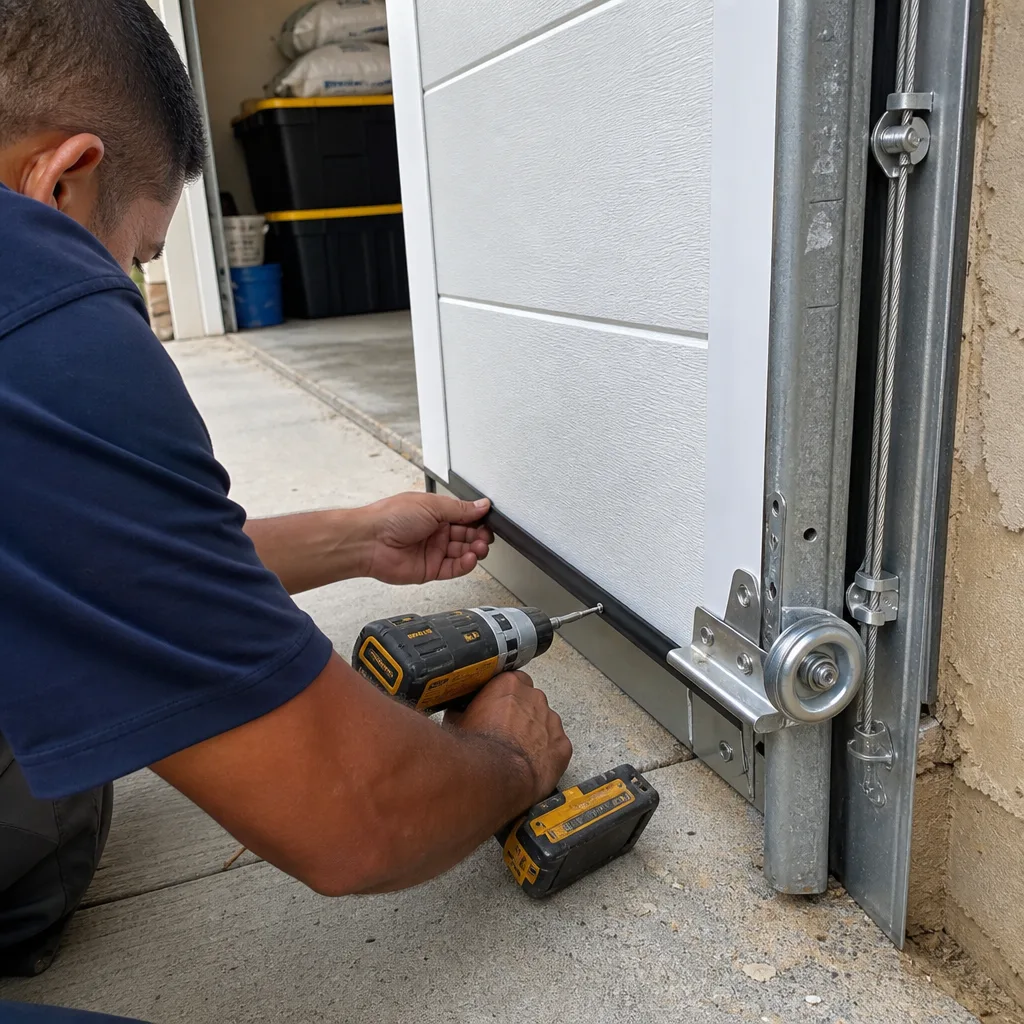
May transition: expansion and seal compression. As humidity rises in May, steel panels absorb moisture and expand. A door that was perfectly tuned in March may start binding against the weatherstripping or rubbing in the tracks by June. The expansion is small, measured in fractions of an inch, but it is enough to change how the door sits. The bottom seal also becomes more pliable in humid air, which changes how it compresses against the floor. We recommend checking seal compression in May, before hurricane season, and adjusting the door’s travel limits if the opener is stopping before full seal compression or reversing after touching down.
October transition: contraction and spring tension. When humidity drops in October, the steel panels contract. A torsion spring that was calibrated for an expanded door may now be under slightly different load conditions. A spring that is near the end of its life cycle, typically 10,000 cycles or about 7 to 10 years in a Coral Springs home that opens and closes the door two to four times a day, may lose noticeable tension during the October transition. The symptom: the door opens and closes, but feels heavier than it did in September, or the opener struggles more on the way up.
Spring tension calibration is not a homeowner job. Torsion springs hold enough stored energy to cause serious injury or death if they fail or are mishandled. We say this plainly: do not attempt to adjust a torsion spring yourself. This is one area where calling a professional, any professional, is not an upsell. It’s a safety boundary.
The May and October transition checks are the best times of year to do a full door balance test and listen for new noises. We see roller wear patterns accelerate during humidity transitions, partly because the seal and track alignment change slightly with temperature and moisture. A roller that was quiet in April may start grinding in June because the door now sits a fraction of an inch differently in the track.
Opener Heat Management: Wall-Mounted vs. Ceiling-Rail Units in Coral Springs Garages
Most Coral Springs garages are not air-conditioned, and interior garage temperatures in July and August regularly climb above 100°F. That heat, combined with the humidity, affects garage door opener electronics in ways that are specific to this climate.
The logic board, which is the small circuit board inside the opener that processes remote signals and controls the motor, has a thermal operating range. Most units are rated for operation up to 120°F, but sustained ambient temperatures above 100°F accelerate wear on solder joints and capacitors. We do more Garage Door Opener Repair & Installation in Coral Springs calls in August and September than any other months of the year, and a large share of them are heat-related logic board failures.
Wall-mounted openers have a measurable advantage in South Florida. A wall-mounted unit, sometimes called a jackshaft opener or side-mounted opener, bolts to the garage wall next to the door opening rather than hanging from a rail in the center of the garage ceiling. Ceiling-rail units sit directly above the garage floor, where heat rises and pools. A wall-mounted unit sits lower on the wall, away from the hottest air, and it eliminates the ceiling rail and belt or chain that add friction and vibration to the system.
Wall-mounted units, like the LiftMaster and Chamberlain models we install in Coral Springs, also free up the ceiling space directly above the door. That space can then be used for overhead storage, and it removes the power cord that hangs from the ceiling, which is a common failure point when the garage floods during a hurricane.
The heat threshold we watch for is simple: if your garage door opener is not responding to remotes or the wall button in August but works fine in the early morning or late evening, the logic board is likely suffering a thermal failure. A technician can confirm it by testing the unit after the garage has cooled. Replacing a logic board is less expensive than replacing the full opener, but if the unit is more than 10 years old and has lived its whole life in an unconditioned Coral Springs garage, replacement is usually the better long-term call.
Common Mistakes to Avoid
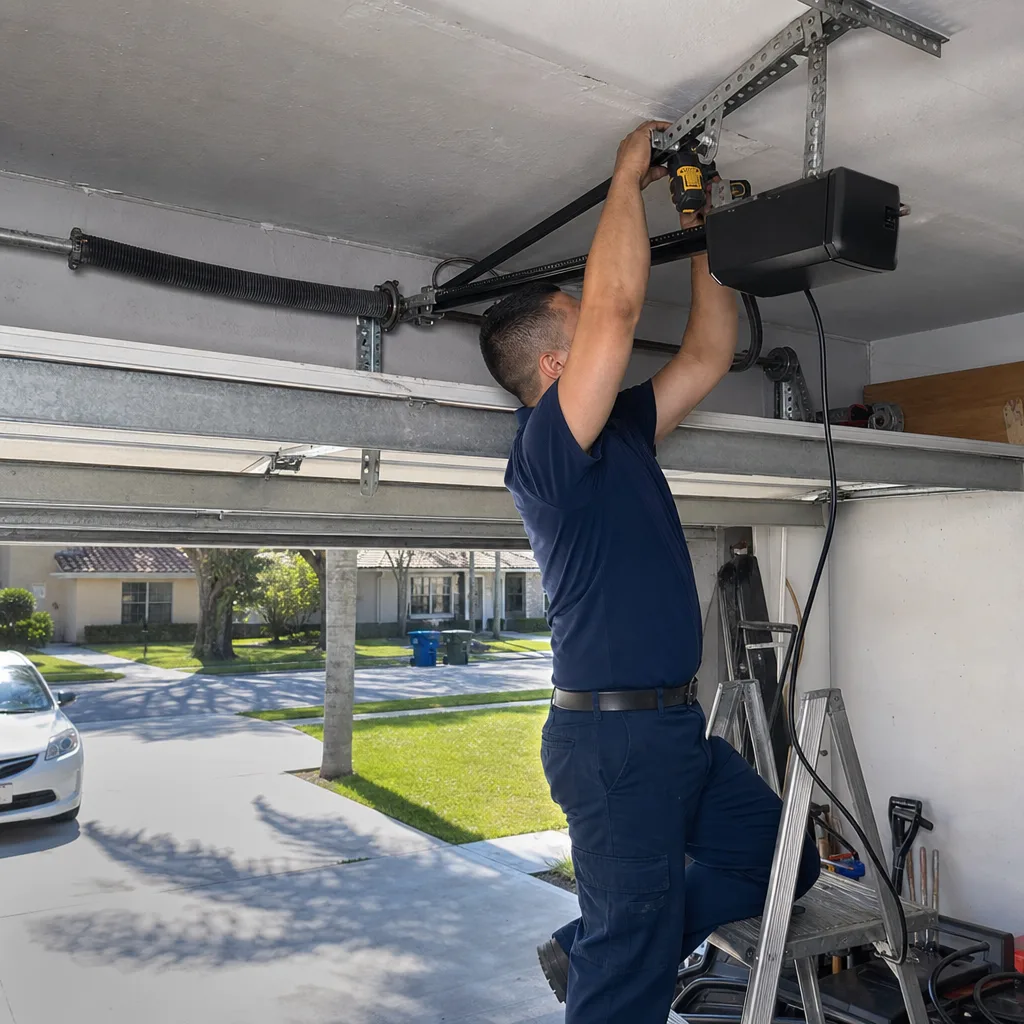
- Lubricating the track. The rollers are meant to roll on the track, not slide. Greasing the track collects dust and creates a grinding paste that wears the rollers faster. Lubricate the bearings, not the track.
- Waiting until December for annual maintenance. By December, hurricane season has already run its course. The cables, seals, and anchoring hardware have taken whatever stress the season delivered. May is the correct time for the annual pre-season check.
- Using WD-40 on hinges and springs. WD-40 is a solvent and water displacer, not a lubricant for moving parts. It flashes off quickly and leaves hinges dry within a week. Use silicone or lithium lubricant instead.
- Testing the door balance without understanding what to do with the result. A door that drops at the halfway point indicates a spring problem, and spring adjustments are not a home-repair job. Call a professional if the door fails a balance test.
- Assuming a wind-load rated door is hurricane-proof. The rating is only valid if the anchoring hardware is installed correctly and still torqued. A label on the door does not replace an annual torque check.
- Ignoring a slow or grinding opener in summer. Heat-related logic board failures start as intermittent issues. Ignoring them until the unit stops working entirely often means replacing the opener rather than repairing it.
When to Call a Professional
Some seasonal maintenance tasks are homeowner work. Others are not. Call a professional if your door fails a balance test, if any cable shows fraying or rust, if a track bracket or lag bolt has backed out more than a half turn, or if the opener behaves erratically in high heat. Torsion springs, cables under tension, and anchoring hardware failures are not DIY repair territory. A spring failure has more than enough stored energy to cause serious injury.
Servo Garage Doors Coral Springs offers free estimates in Coral Springs, and every job includes a flat, written price and written scope before any work starts. We answer the phone 24/7 with a live person, and our technicians carry the parts for most common repairs on the truck. Call (754) 399-3666 if you want a second opinion on a written estimate from another company or if you found something during your seasonal check that you want a professional to look at. We photograph the failed part before quoting a replacement, and you get the photo record when the job is done. That’s Clause 4 of The Haven Standard, and it’s been our rule since the day we opened in 2015.
Frequently Asked Questions
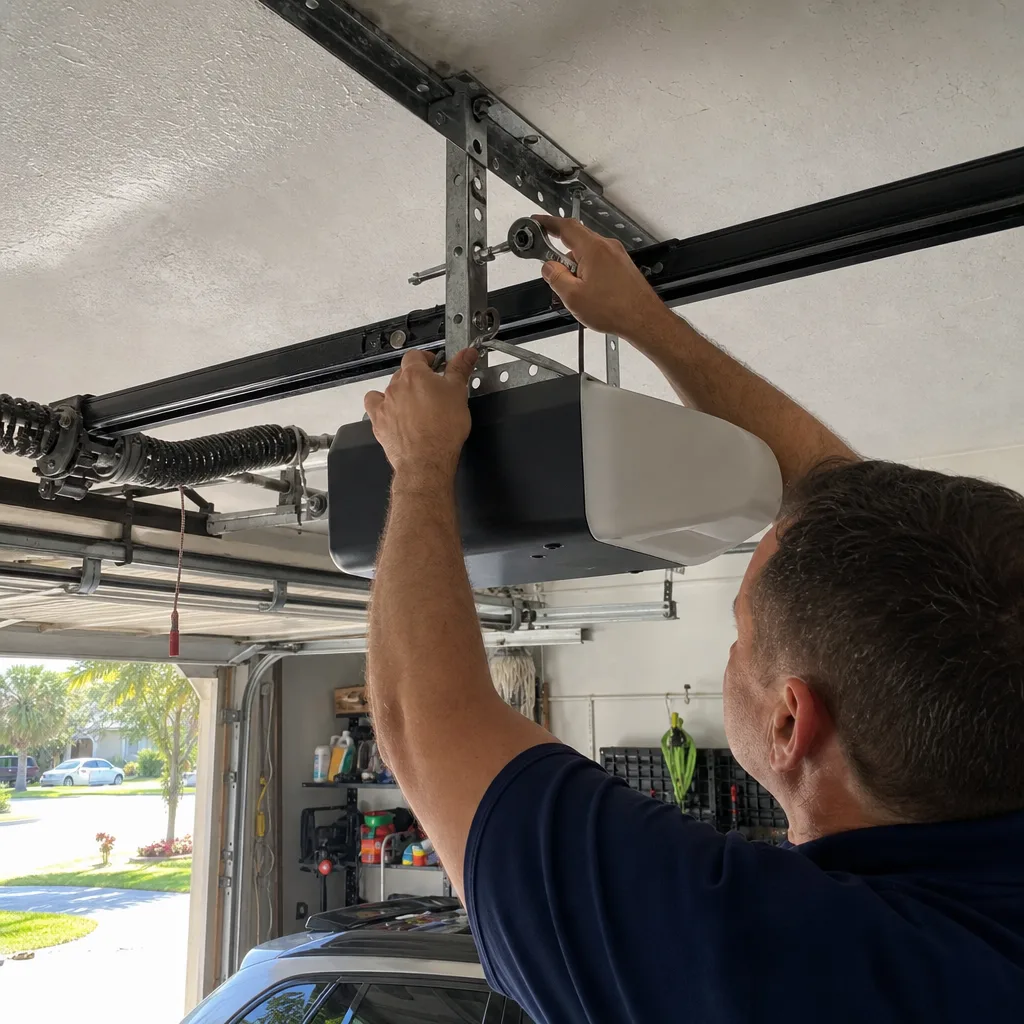
We recommend a visual inspection and lubrication every six months in Coral Springs, timed to the two humidity transitions in May and October. A full torque check and balance test should be done once a year in April or May, before hurricane season begins. If your door is more than 10 years old or the opener sits in an unconditioned garage, twice-a-year checks are not excessive, they are appropriate for this climate. Call (754) 399-3666 for a free estimate on a seasonal inspection.
The most common seasonal problem in Coral Springs is heat-related opener failure in August and September, followed by dry season dust buildup on improperly lubricated hinges and chains. Both are preventable. Use silicone or lithium lubricant during the dry months, and if your opener acts up in the afternoon but works in the morning, have the logic board checked before it fails completely.
Most of it, yes. Visual inspection of the bottom seal, cables, hinges, and rollers is safe and takes about 30 minutes. Lubricating hinges and springs with silicone or lithium spray is also a homeowner task. What you should not do yourself is adjust torsion spring tension, replace cables under load, or re-torque anchoring hardware if you’re not confident in the procedure. Those jobs carry real injury risk and require a trained technician.
A seasonal inspection and tune-up in Coral Springs typically ranges from $89 to $149 depending on the door type and opener model. For detailed pricing on parts and labor, see our Garage Door Cost Breakdown: The Coral Springs Homeowner’s Reference for 2026. If the inspection turns up a needed repair, the repair price is quoted in writing before any work begins, and the inspection fee is often credited toward the repair. We quote every job with a flat written price and written scope, which means the number you agree to is the number you pay. Call (754) 399-3666 for exact pricing.
No. Under Clause 1 of The Haven Standard, our technicians write the flat price and scope before any work starts, and the price you approve is the price you pay. If a second issue is found during the job, the technician photographs it and presents a separate written quote. You decide before any additional work proceeds. The price does not change without your approval.
Yes. Our technicians carry common parts including bottom seals, hinge kits, roller sets, cables, extension springs, and most LiftMaster, Chamberlain, Genie, and Craftsman opener parts on the truck. A seasonal inspection that turns up a worn roller or a compressed bottom seal can usually be resolved the same day in Coral Springs. Call (754) 399-3666 to schedule a visit.
The Bottom Line
Seasonal garage door maintenance in Coral Springs works best when it follows the actual weather: torque checks in May, post-storm inspections after named storms, silicone and lithium lubricant through the dry months, and humidity transition checks in May and October. The garage door is a structural component in a hurricane zone, and the anchoring hardware is as important as the door itself. Most checks take less than an hour, and the ones that require a technician are worth scheduling before the season starts rather than after a problem shows up. If you want a written price before any work, a technician who photographs what they found, and a number answered by a live person at any hour, call (754) 399-3666. We’ve been making garage doors right in Coral Springs since 2015, one documented job at a time.
Written by Marcus Deller, Owner at Servo Garage Doors Coral Springs, serving Coral Springs since 2015. Browse more guides & resources from our team.